Hearing loss claims often get denied because insurers want concrete proof linking your condition to a specific incident or exposure, not just symptoms. They need verifiable documentation, like medical records or evidence of a traumatic event, to prove causality. Technology, such as data from hearing aids, and thorough assessments by audiologists can strengthen your case. If you want to understand how to gather compelling evidence and improve your chances, keep exploring these key details.
Key Takeaways
- Lack of documented evidence linking the hearing loss to a specific incident or cause.
- Insufficient medical records or audiologist assessments to verify the condition’s origin.
- No proof of a traumatic event or exposure that caused the hearing loss.
- Reliance solely on symptoms without objective data or environmental records.
- Failure to demonstrate ongoing impact or persistent hearing difficulties with measurable evidence.
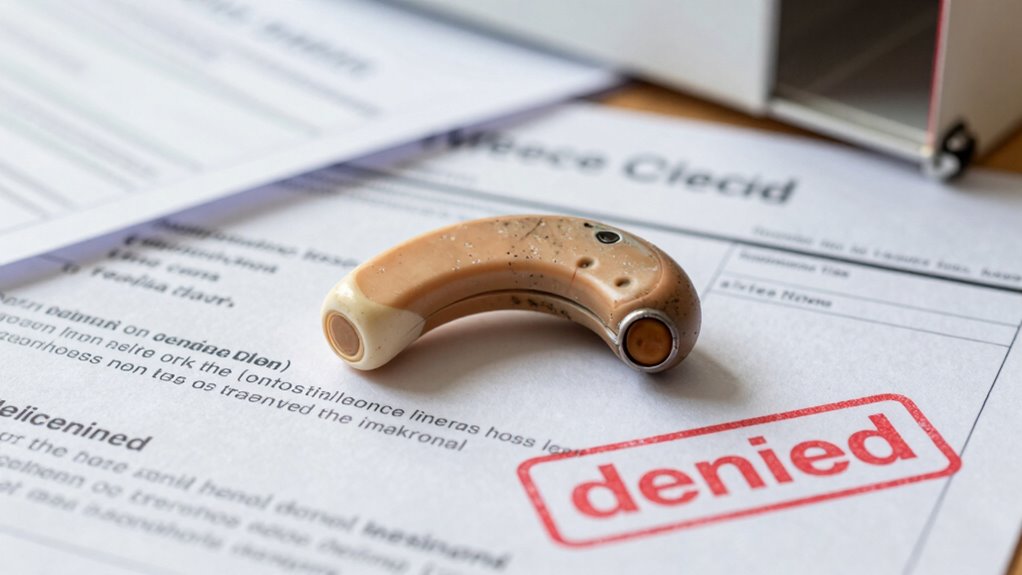
Hearing loss claims often get denied because insurers require clear, compelling evidence that your condition is linked to a specific incident or exposure. Without this proof, your claim can be dismissed, even if your symptoms are genuine. One common challenge is demonstrating that your hearing loss results from a recognizable event, such as a workplace accident or exposure to loud noise. Simply stating you have hearing problems isn’t enough; insurers want concrete evidence that ties your condition to a verifiable cause. This is where detailed assessments and modern technology come into play.
Insurers need concrete proof linking your hearing loss to a specific incident or exposure.
Hearing aid technology has advanced considerably, providing not just devices to improve hearing but also measurable data about your hearing loss. When you seek treatment, hearing aids often come equipped with data-logging features that record your usage and the environments in which you’re hearing. This data can serve as valuable evidence to support your claim, showing that your hearing difficulties are persistent and affecting your daily life. However, insurers might still question whether your hearing loss is due to a specific incident or underlying health issues, rather than age or unrelated factors.
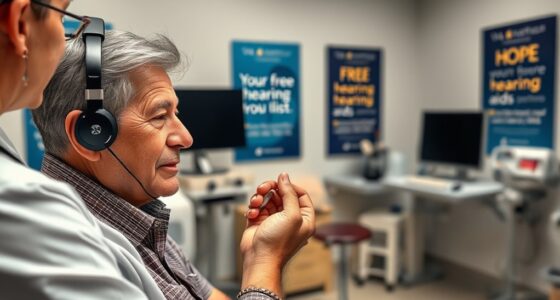
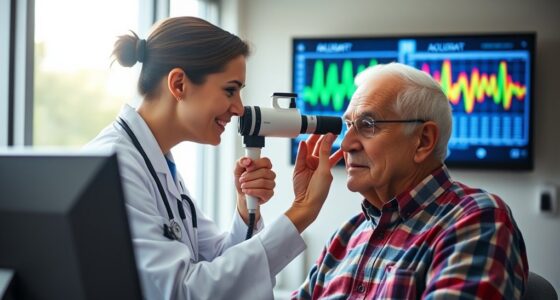
To strengthen your case, audiologist assessments are essential. An audiologist conducts thorough testing to identify the nature and extent of your hearing loss. These evaluations include audiograms and other diagnostic tools that precisely measure your hearing thresholds. When you undergo an audiologist assessment, the detailed report they produce can be used to establish a timeline and severity, which helps connect your symptoms to a particular incident if it exists. Plus, audiologists can document whether your loss is consistent with noise-induced damage or other identifiable causes, making your claim more credible. Accurate diagnostic testing can provide critical evidence that links your hearing loss to a specific cause.
Despite all this, insurers often look for clear, documented links between your hearing loss and a specific exposure. If you don’t have records of a traumatic event or exposure, your claim might be at risk of denial, regardless of how real your symptoms are. That’s why it’s essential to keep thorough records of any incidents, medical evaluations, and treatments. Using advanced hearing aid technology to gather objective evidence and getting detailed audiologist assessments aren’t just about diagnosing your condition—they’re about building a solid case that proves your hearing loss is legitimate and claim-worthy. Without these, even authentic symptoms can fall short of what insurers need to approve your claim. Additionally, modern hearing technology can provide crucial data that supports the connection between your symptoms and specific exposures, strengthening your overall case.
Furthermore, understanding the role of evidence in claims can significantly improve your chances of approval, as insurers rely heavily on documented proof to validate your condition. Recognizing the importance of medical documentation can make a difference in ensuring your claim is thoroughly supported. It’s also beneficial to be aware that keeping detailed records of your medical history and incidents can serve as a foundation for a more compelling claim, especially when combined with technological data.

Audien Atom One OTC Hearing Aids – Wireless, Rechargeable, and Comfortable | Clear Sound in a Small, Discreet Design for Seniors & Adults with Hearing Loss
Hear What Matters Most: Hearing isn’t one-size-fits-all. That’s why our adjustable frequency system lets you personalize your sound…
As an affiliate, we earn on qualifying purchases.
As an affiliate, we earn on qualifying purchases.
Frequently Asked Questions
How Long Does the Hearing Loss Claim Process Typically Take?
The hearing loss claim process typically takes about three to six months, but it varies depending on your case. You’ll need to gather medical records, including details about hearing aids or tinnitus symptoms, and submit them promptly. The insurance company reviews your documentation, possibly requests additional info, and makes a decision. Being thorough and responsive speeds up the process, helping you get the support you need faster.
Can Pre-Existing Conditions Affect Hearing Loss Claim Approval?
Pre-existing conditions can complicate, challenge, and sometimes disqualify your claim eligibility. If your hearing loss stems from prior issues, insurers might deny your claim, arguing it’s not entirely new. You need to clearly differentiate between pre-existing conditions and work-related damage. Document your symptoms thoroughly, gather supporting medical records, and consult experts to strengthen your case. Understanding how pre-existing conditions influence claim approval helps you navigate the nuanced, often confusing process.
What Evidence Is Needed to Support a Hearing Loss Claim?
To support your hearing loss claim, you need solid evidence like audiological assessments that document your hearing difficulties and medical documentation showing diagnosis and treatment history. Make sure your assessments are recent and detailed, highlighting the severity and impact of your hearing loss. Providing thorough medical records, including reports from specialists, strengthens your case. Gathering this evidence helps establish the validity of your symptoms and supports your claim effectively.
Are There Age Limits for Filing Hearing Loss Claims?
Age restrictions generally don’t prevent you from filing hearing loss claims, but claim eligibility can vary based on your age and the specifics of your case. Insurance companies or disability programs may set different criteria, so it’s essential to review their policies. If you’re within the eligible age range and can provide adequate evidence of your hearing loss, you should consider pursuing a claim, regardless of your age.
How Can I Improve My Chances of Claim Approval?
Did you know that 60% of hearing loss cases are due to acoustic damage? To improve your chances of claim approval, focus on documenting your hearing health early and thoroughly. Get regular audiograms, keep detailed records of exposure to loud noises, and seek prompt medical advice. Providing clear proof of your acoustic damage and ongoing symptoms shows your commitment to your hearing health, strengthening your case.

Audiologist Choice Hearing Aid Activair Battery Tester with Separate Size Slots for Each Type of Battery
Purchase includes: 1 Activair Battery Tester
As an affiliate, we earn on qualifying purchases.
As an affiliate, we earn on qualifying purchases.
Conclusion
Understanding why hearing loss claims get denied can feel like trying to find a needle in a haystack. Even when your symptoms are real, insurance companies often look for clear, documented proof of injury or illness. Without solid evidence, your claim might be rejected — it’s like trying to catch smoke. To improve your chances, gather thorough medical records and expert opinions. Remember, being prepared is like having a map in unfamiliar territory, guiding you toward a successful claim.

Hearing Aid Insertion Tool with Double Slit (4x4mm), Easy Grip Assist Stick for Daily Ear Device Handling
Easy Positioning – Helps guide ear devices into place with better control.
As an affiliate, we earn on qualifying purchases.
As an affiliate, we earn on qualifying purchases.

Audien Atom X Hearing Aid For Seniors & Adults with Hearing Loss – Noise Cancelling, Rechargeable OTC Bluetooth Hearing Aids w/Charging Case, 48+ Hour Battery Life, Touchscreen Control, Nearly Invisible Design
WORLD’S FIRST TOUCHSCREEN CONTROL HEARING AIDS – The Atom X is more than just a hearing aid, it’s…
As an affiliate, we earn on qualifying purchases.
As an affiliate, we earn on qualifying purchases.