
Hearing aid whistling, or feedback, happens when amplified sound escapes your device and re-enters the microphone, creating a loop that causes that squealing noise. This often occurs if the fit isn’t snug enough, there’s earwax blocking the seal, or if parts are damaged. External factors like moisture or humidity can also play a role. Understanding these causes can help you minimize feedback—keep exploring to discover simple ways to prevent that annoying whistling.
Key Takeaways
- Hearing aid whistling, or feedback, occurs when amplified sound escapes and re-enters the microphone, creating a loop.
- Common causes include a poor fit, earwax blockage, or worn-out parts that allow sound leakage.
- External factors like humidity, sweat, or environmental reflections can trigger feedback loops.
- Proper device fit, regular cleaning, and maintenance help prevent sound escape and reduce whistling.
- Feedback often results from sound resonance and reflection within the ear, not necessarily device damage.
What Causes Hearing Aid Feedback and Why Does It Squeal?

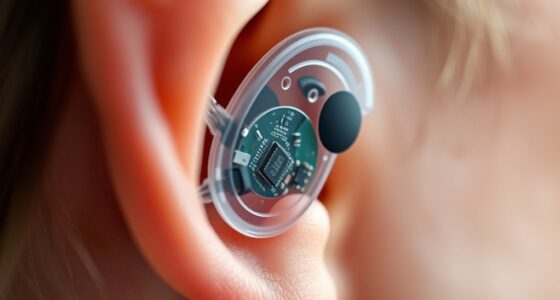
Hearing aid feedback occurs when amplified sound escapes the device and loops back into the microphone, causing a high-pitched squeal. This happens because sound waves generated by your hearing aid aren’t contained within the device. Instead, they escape and are picked up again, creating a feedback loop. If you have hearing loss, your hearing aid works harder to amplify sounds, which can increase the likelihood of feedback. The sound wave travels out of the device, reflects off nearby surfaces or your ear, and then re-enters the microphone. As the microphone detects this sound wave again, it causes the squealing noise. Proper fit, clean device components, and correct volume levels can help minimize this feedback and prevent the squeal from occurring. Additionally, using Free Floating technology can help stabilize sound and reduce feedback issues. Incorporating proper maintenance routines can further prevent buildup or damage that might contribute to feedback problems. Ensuring a secure fit can also help contain sound and reduce the chances of feedback occurring. Regularly checking for earwax buildup is important, as excess wax can interfere with sound transmission and increase feedback risks. Maintaining awareness of sound leakage and how it interacts with your environment can also be beneficial in managing feedback.
How Do Sound Loops Trigger Hearing Aid Whistling?

Sound loops form when your hearing aid’s microphone picks up sound from nearby speakers or reflections, creating a continuous cycle. This amplification of noises causes the whistling or squealing you hear. Understanding how sound loops work helps you see how they can trigger your hearing aid to whistle unexpectedly. High-quality sound reproduction can also contribute to the likelihood of feedback occurring. Additionally, European cloud innovation emphasizes the importance of secure and efficient data handling, which is crucial for advanced hearing aid technology. Recognizing feedback management techniques is essential for minimizing whistling and ensuring optimal device performance. Proper device calibration and advanced sound algorithms are also key factors in reducing feedback issues.
Sound Loop Formation
When sound waves reroute between your hearing aid’s microphone and speaker, they can create a loop if the device’s components pick up and re-amplify the very sounds it produces. This process is called sound resonance, where certain frequencies repeatedly bounce between the microphone and speaker. As these sounds reinforce each other, they form a feedback loop, intensifying the noise. Small changes in the fit or positioning of your hearing aid can make it easier for sound resonance to occur. When this loop continues unchecked, it results in the high-pitched whistling you hear. Fundamentally, the device keeps “listening” to its own amplified sound, causing the feedback loop to grow stronger until it produces the familiar whistling sound. Understanding acoustic feedback helps explain why these sound loops develop and how they can be managed. Incorporating device calibration and routine maintenance can reduce the likelihood of feedback loops forming in the first place. Additionally, understanding sound wave behavior can help users identify and minimize situations that trigger whistling.
Amplification of Noises
As the sound loop forms, the device begins to amplify not only external noises but also the whistling sound generated by the feedback. When your hearing aid’s microphone picks up sounds, it amplifies everything, including the whistling. If noise cancellation isn’t perfectly tuned or if the device detects sounds at certain volumes, it can unintentionally boost the noise alongside desired sounds. This amplification of noises, especially in the presence of a feedback loop, makes the whistling worse. Instead of suppressing background sounds, the hearing aid intensifies them, creating a vicious cycle. To prevent this, many devices include advanced noise cancellation features designed to reduce unwanted noise, but when a sound loop occurs, these systems can struggle, leading to increased whistling. Vetted wave and wind conditions can also influence how sound is captured and amplified, potentially exacerbating feedback issues. Understanding how sound amplification works in hearing aids can help you better manage and prevent feedback problems. Proper device fit and regular maintenance are crucial because an ill-fitting hearing aid can cause sound leakage, which often leads to feedback. Additionally, maintaining proper device fit and regular maintenance can significantly reduce the likelihood of feedback caused by feedback management issues.
Impact on Hearing Aid
Sound loops occur when the microphone and speaker in your hearing aid repeatedly pick up and re-amplify the same sound, creating a feedback cycle. This cycle can cause whistling or squealing, disrupting your hearing experience. When sound loops happen, your hearing aid’s amplification affects your ear canal health, potentially leading to discomfort or damage if left unchecked. To protect your hearing and maintain hearing protection, avoid situations that trigger sound loops, like wearing your device too tightly or blocking the microphone. Proper fit and regular maintenance help prevent feedback issues, preserving ear canal health. Recognizing how sound loops impact your hearing aid empowers you to take proactive steps, ensuring your device functions *ideal* without causing unnecessary harm or discomfort.
Why Does a Poor Fit or Seal Lead to Feedback?
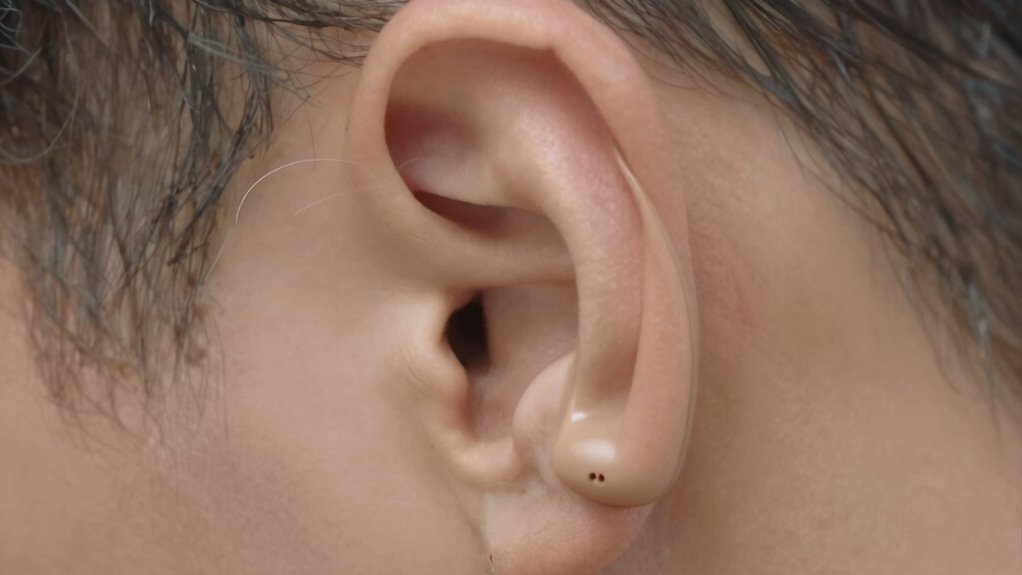
A poor fit or seal in your hearing aid creates gaps that allow amplified sounds to escape and re-enter the device’s microphone. This causes the device to pick up the sound again, creating a feedback loop. An effective acoustic seal in your ear canal is essential to prevent this. When the seal isn’t tight, sound waves leak out or re-enter, making the hearing aid whistle. Ensuring proper fitting techniques and maintaining a good fit can help prevent such issues. Additionally, understanding ownership essentials like regular maintenance can further reduce feedback problems. Proper sealing methods and periodic checks can help maintain the seal’s integrity, reducing the likelihood of whistling.
Common Myths About Hearing Aid Feedback Debunked
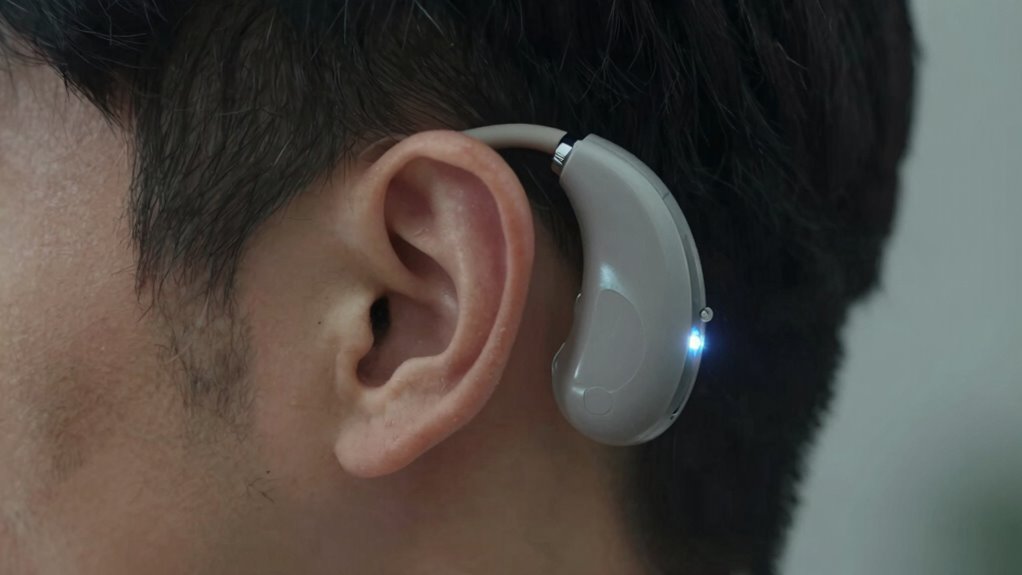
Many people believe myths about hearing aid feedback that can lead to confusion. It’s important to distinguish facts from misconceptions so you can better understand your device. Let’s explore common misunderstandings and clear up the truth about hearing aid feedback. Sometimes, paranormal phenomena such as unexplained noises are mistaken for feedback, but understanding how hearing aids work can clarify these situations. Recognizing the acoustic principles behind feedback can help users troubleshoot common issues more effectively. Understanding the ear canal and its role in sound transmission can also help prevent unwanted whistling sounds. Additionally, being aware of sound amplification settings can help optimize hearing aid performance and reduce feedback occurrences. Proper fitting and maintenance are essential factors in minimizing feedback and ensuring your device functions smoothly.
Common Misunderstandings Clarified
While hearing aid feedback is often misunderstood as a sign of malfunction, it’s usually just a common, manageable issue. Many people believe that whistling indicates a faulty device, but in reality, it’s often due to how hearing aid technology works and how well it’s fitted. Misconceptions about hearing health awareness can lead you to think feedback is harmful or permanent, but it’s typically easy to fix. Proper adjustments, cleaning, or re-positioning your hearing aids usually resolve the issue without needing repairs. It’s important to understand that feedback isn’t a sign of damage, just a sign to check the fit or settings. Clarifying these misunderstandings helps you maintain confidence in your hearing aids and ensures you get the most benefit from your hearing health journey.
Myths vs. Facts
Understanding the truth behind hearing aid feedback helps dispel common myths that can cause unnecessary worry. Many believe feedback means a malfunction or damage, but it often results from issues like poor fit or blocked microphones. Some think turning up the volume worsens feedback, yet proper hearing protection and noise cancellation features can actually reduce it.
| Myth | Fact | Reality |
|---|---|---|
| Feedback always indicates damage | It’s often a fitting or environment issue | Proper adjustments prevent unnecessary worries |
| Noise cancellation causes feedback | It actually reduces background noise | Improper use can lead to whistling, not damage |
| Turning volume high causes feedback | Volume isn’t the main factor | Fit and environment play bigger roles |
Knowing these facts helps you better manage your hearing aids confidently.
Accurate Hearing Aid Info
Are you confused by conflicting information about hearing aid feedback? It’s common to hear myths that suggest feedback means poor hearing aid durability or discomfort. The truth is, feedback often results from improper fit or blocked microphones, not the device’s quality. Modern hearing aids are designed for user comfort, with many models offering customizable settings to ensure a snug yet comfortable fit. This fit helps prevent feedback without sacrificing durability or comfort. Relying on accurate info helps you understand that feedback isn’t a sign of a defective device. Instead, it’s a normal part of hearing aid use that can be minimized through proper maintenance and professional adjustments. Clear, factual information empowers you to make the best choices for your hearing health.
Easy Ways to Prevent Hearing Aid Whistling
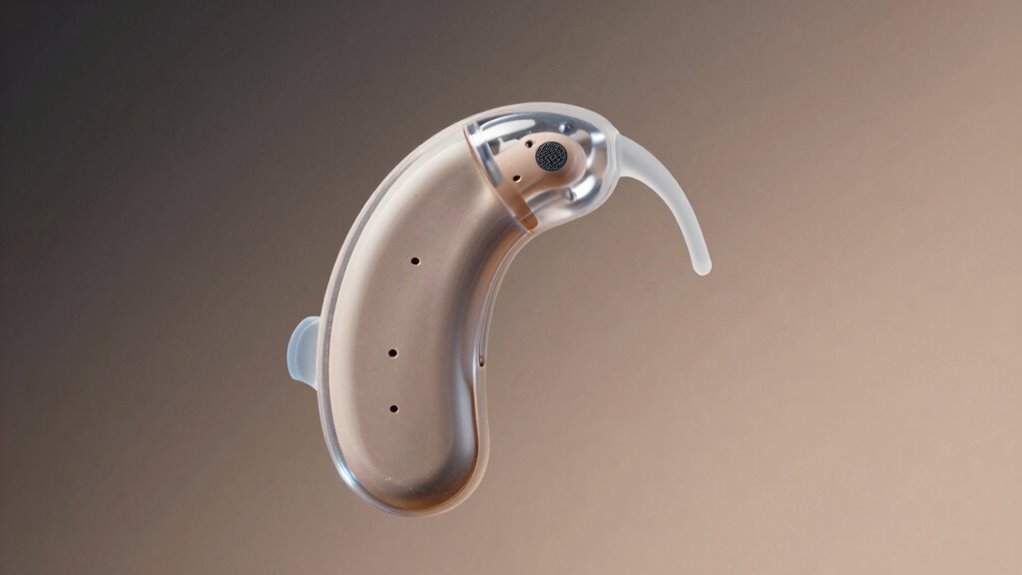
Hearing aid whistling, or feedback, often happens when the device’s sound escapes and loops back into the microphone. To prevent this, focus on proper hearing aid maintenance and ensuring user comfort. Regularly clean your device, especially the microphone and receiver, to keep sounds clear and reduce feedback. Check for loose parts or wax buildup that might cause a poor seal. Additionally, adjust the fit for comfort; a snug but not tight fit minimizes sound leakage. Here’s a quick guide:
| Tip | Benefit |
|---|---|
| Clean regularly | Reduces buildup and feedback |
| Ensure proper fit | Prevents sound escape |
| Replace wax guards | Maintains seal and clarity |
| Seek professional help | Keeps device optimized for comfort |
Following these tips helps minimize whistling and improves overall hearing aid performance.
How to Insert and Position Your Hearing Aid for Better Seal
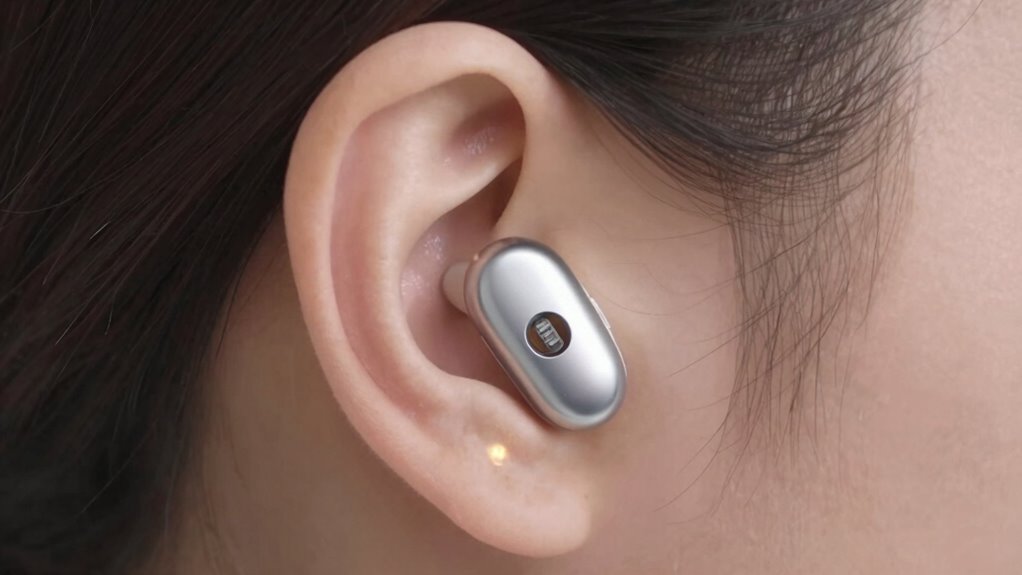
To achieve a better seal, you need to insert your hearing aid properly and position it correctly. Make sure you follow the proper technique to avoid gaps that can cause whistling or feedback. Paying attention to correct placement tips will help your hearing aid fit comfortably and work effectively.
Proper Insertion Technique
Proper insertion of your hearing aid is essential for achieving a secure seal and ideal sound quality. Before inserting, ensure your ear canal is clean and free of wax, which can interfere with the fit. Gently clean your ear canal if needed, but avoid aggressive ear hygiene practices that might cause irritation. When inserting the hearing aid, apply gentle, even pressure—too much can cause discomfort and compromise the seal, while too little may result in poor sound quality. Take your time to position the device correctly, making sure it sits comfortably and snugly within your ear canal. Proper technique reduces whistling and feedback, helping your hearing aid perform at its best. Remember, patience and careful insertion are key to a secure, effective fit.
Correct Placement Tips
Achieving the best seal starts with positioning your hearing aid correctly. Begin by gently inserting the device into your ear canal, ensuring your ear placement is comfortable and snug. Adjust the hearing aid so it fits naturally without causing discomfort or pressure. Proper placement helps create a tight seal, which is essential for ideal sound quality and reducing feedback. If you notice whistling or weak sound, try seal adjustment by slightly repositioning the device within your ear. Make small changes until the hearing aid feels secure and the feedback stops. Remember, a good seal not only improves sound clarity but also prevents whistling. Take your time to find the perfect fit, and don’t hesitate to consult your audiologist for personalized tips.
When Should You Use Feedback Reduction Settings?
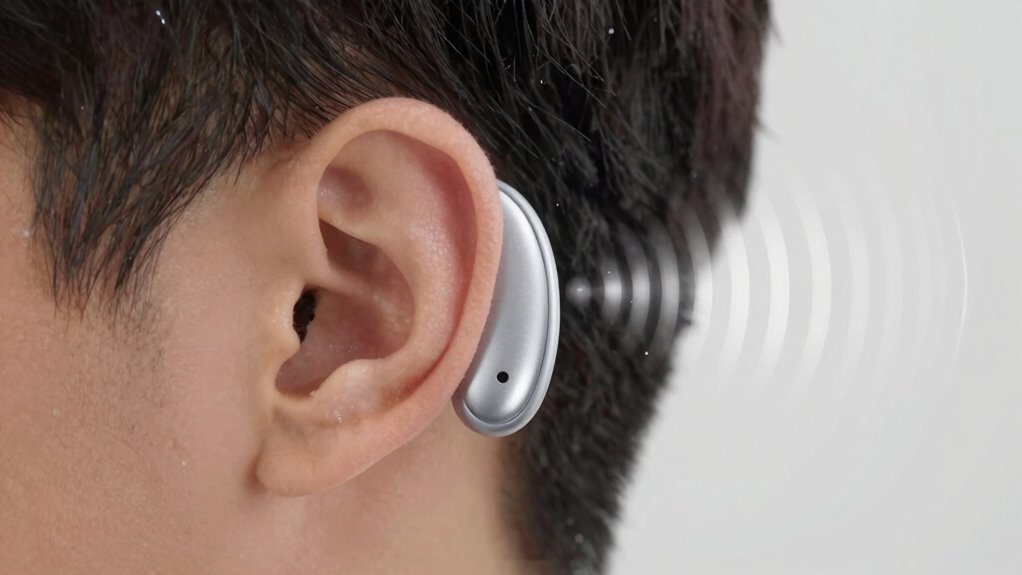
Feedback reduction settings should be used whenever you notice whistling or squealing from your hearing aid. If your hearing aid fit feels tight or loose, it can lead to increased feedback, so adjusting these settings helps with feedback management. Use feedback reduction when you experience persistent squealing, especially in noisy environments or when moving your head. These settings are designed to detect and suppress feedback quickly, preventing the whistling from becoming distracting. Don’t wait until the feedback becomes unbearable—activating these features early can improve comfort and clarity. Remember, feedback management isn’t a cure-all; it works best when combined with proper hearing aid fit and regular check-ups. Knowing when to use these settings helps you enjoy better hearing and fewer interruptions.
Tips for Maintaining Your Hearing Aid to Minimize Feedback
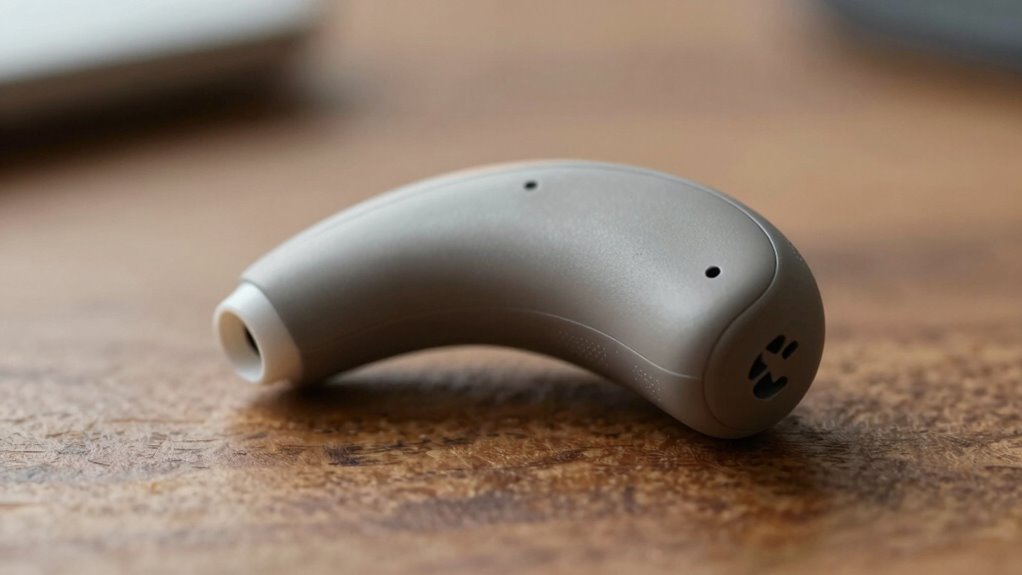
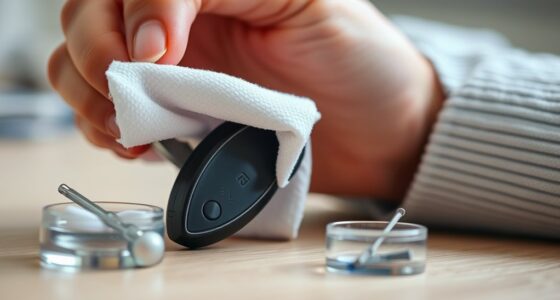
Regularly maintaining your hearing aid can considerably reduce the chances of feedback and keep it functioning smoothly. Proper device maintenance is essential for preserving your hearing health and preventing whistling sounds. To achieve this, regularly check and clean your device, ensuring the microphone and receiver are free of earwax and debris. Store your hearing aid in a dry, safe place when not in use to avoid damage. Additionally, inspect the ear mold or dome for cracks or buildup that might cause feedback.
- Remove earwax buildup gently with a soft brush
- Keep the device dry and avoid exposure to moisture
- Replace worn or damaged parts promptly
Consistent upkeep minimizes feedback issues and prolongs your hearing aid’s lifespan, ensuring ideal performance and better hearing health.
Troubleshooting Persistent Feedback : When to See an Audiologist
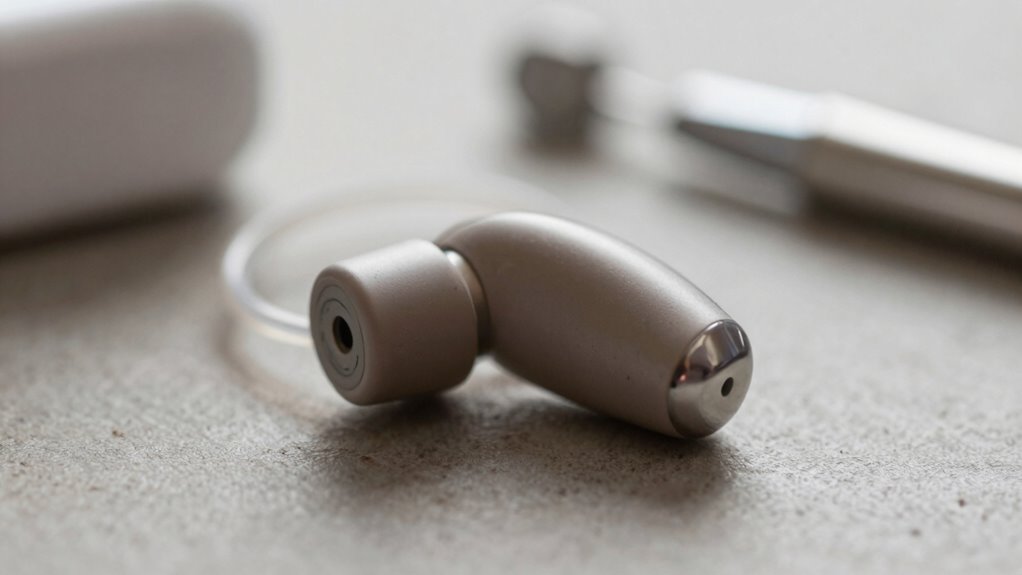
If you notice that your hearing aid continues to produce loud or persistent feedback despite regular hearing aid maintenance and adjustments, it’s time to see an audiologist. Persistent feedback can indicate a deeper issue that simple cleaning can’t resolve. An audiologist can evaluate whether the device fits correctly or if there’s a problem with the hearing aid’s components. They’ll also provide patient education to help you understand proper handling and maintenance techniques, reducing the chances of future feedback. Don’t ignore ongoing issues, as they could signal a need for professional repair or reprogramming. Seeking expert help guarantees your hearing aid functions effectively and prevents frustration, making sure you get the clarity and comfort you deserve.
How Do Different Hearing Aid Styles Affect Feedback Risks?
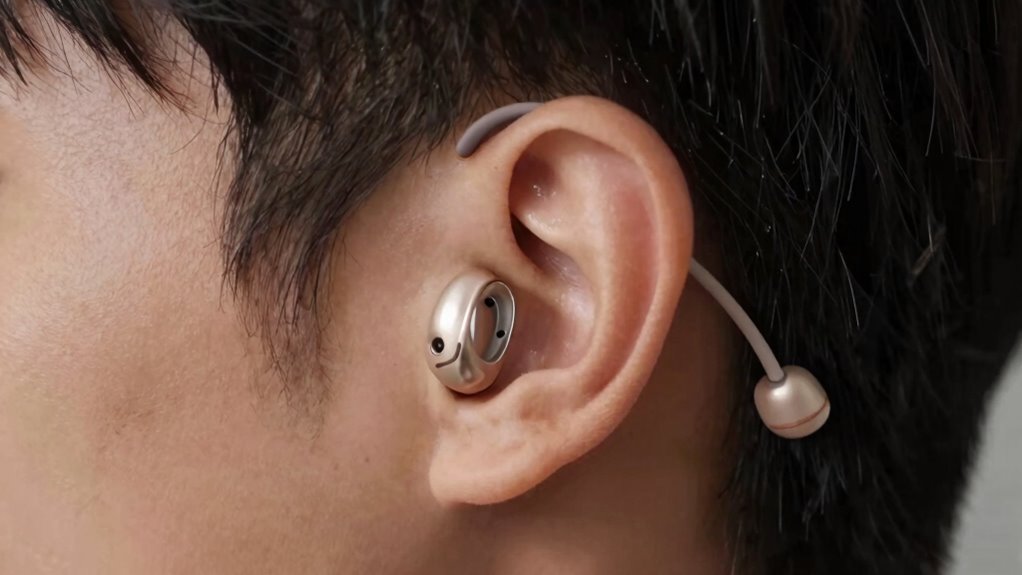
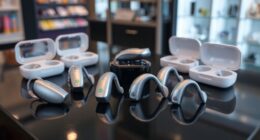
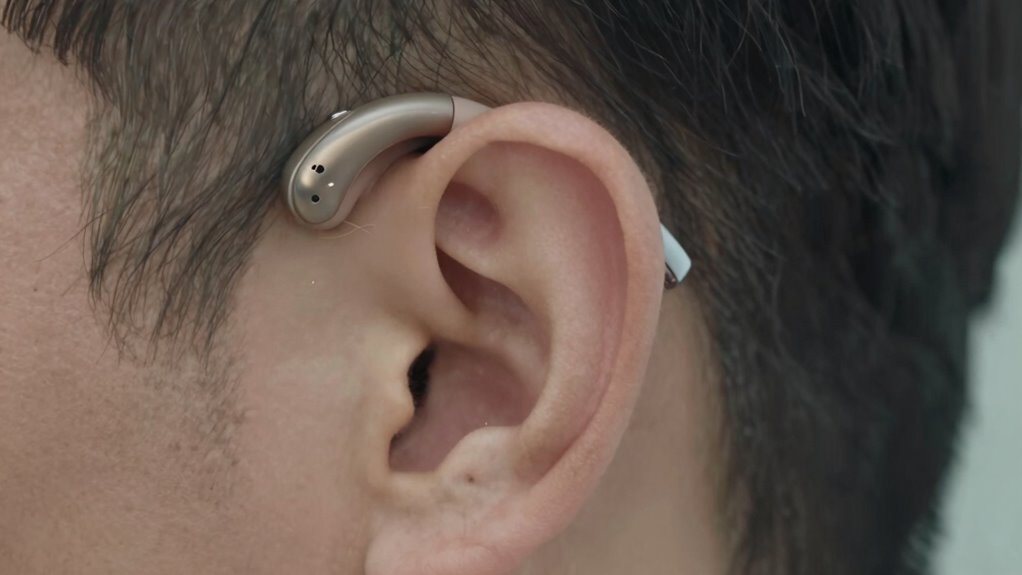
Different hearing aid styles can influence how likely you are to experience feedback. Behind-the-ear (BTE), in-the-ear (ITE), and completely-in-the-canal (CIC) devices each have unique effects. BTE models are more exposed, making battery maintenance easier but increasing exposure to earwax buildup, which can cause feedback. ITE devices sit deeper in your ear, reducing external noise but are more sensitive to earwax and humidity changes. CIC styles fit snugly, minimizing feedback risks but are more prone to earwax blocking the device. Regularly cleaning your hearing aid and maintaining the battery are vital. Earwax buildup can cause the device to lose seal, increasing whistling. Choosing the right style depends on your ear shape and maintenance habits to minimize feedback risks.
Frequently Asked Questions
Can Certain Foods or Beverages Worsen Hearing Aid Feedback?
Certain foods and beverages can worsen hearing aid feedback through diet interactions and beverage effects. For example, caffeine or alcohol might cause your ear muscles to tense, increasing feedback. Acidic drinks like citrus or soda can also affect your ear health, potentially making feedback more noticeable. To minimize issues, stay hydrated with water and avoid excessive caffeine or alcohol, helping your hearing aids work smoothly without whistling.
Does Weather Change Influence Hearing Aid Whistling?
Like a vintage radio tuning in and out, weather changes can influence your hearing aid’s whistling. Humidity effects and temperature fluctuations cause moisture buildup or loosening of parts, which can lead to feedback. When it’s humid or suddenly cold or hot outside, your device might whistle more. Keep your hearing aid dry and well-maintained to minimize these effects, ensuring clear hearing regardless of the weather’s mood swings.
Are There Specific Activities That Increase Feedback Risks?
Certain activities can increase feedback risks, especially if you have earwax buildup or an improper fitting. Activities like inserting or removing your hearing aid frequently, talking loudly, or exposing yourself to sudden loud noises can cause whistling. Additionally, if your hearing aid isn’t fitted correctly or if earwax blocks the device, feedback is more likely. Always keep your ears clean and make sure your hearing aid fits properly to minimize whistling.
How Does Age Affect Hearing Aid Feedback Likelihood?
As you age, your hearing aids become more like clingy exes, keen to whisper back with feedback. Age-related hearing loss often worsens, making elderly hearing aids more prone to whistling and squealing. With diminished ear tissue elasticity and changing ear canal shapes, the likelihood of feedback increases. So, yes, aging ups your chances of hearing aid feedback—think of it as your device’s way of saying, “Hey, I’m still here!”
Can Using Multiple Devices Simultaneously Cause Feedback?
Yes, using multiple devices simultaneously can cause feedback if device placement isn’t ideal. When two hearing aids or accessories are close, sound waves may loop, creating whistling. To prevent this, guarantee proper feedback mitigation techniques are in place and keep devices at a safe distance. Adjusting placement and settings helps minimize feedback, allowing you to enjoy clear sound without annoying whistling or squealing.
Conclusion
Now that you know what causes hearing aid whistling and how to prevent it, you can take control and keep your device working smoothly. Regular maintenance, proper fit, and using feedback reduction features make a big difference. Don’t let feedback get the best of you—stay ahead of the game and address issues early. After all, a stitch in time saves nine, so keep your hearing aids in top shape and enjoy clear, comfortable hearing every day.