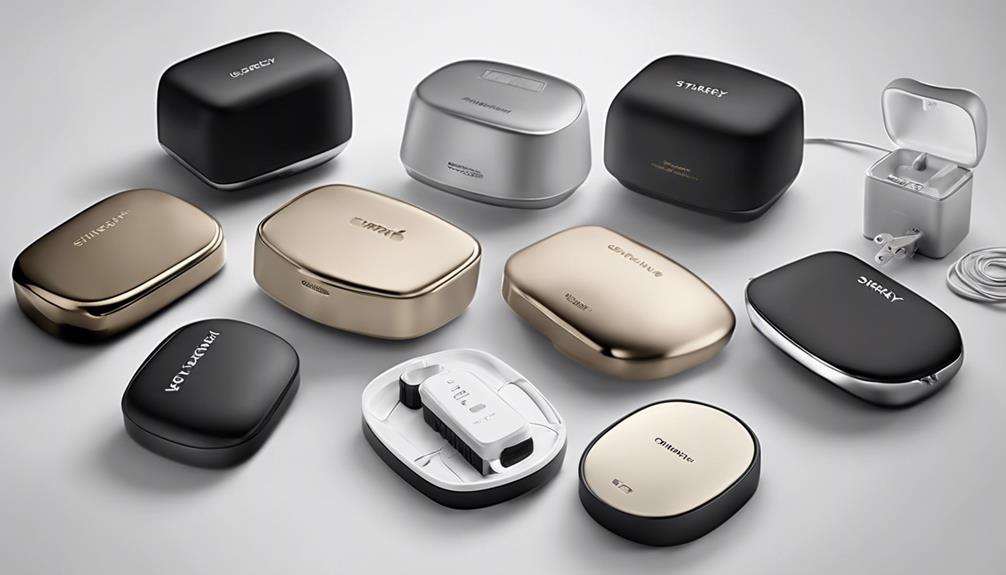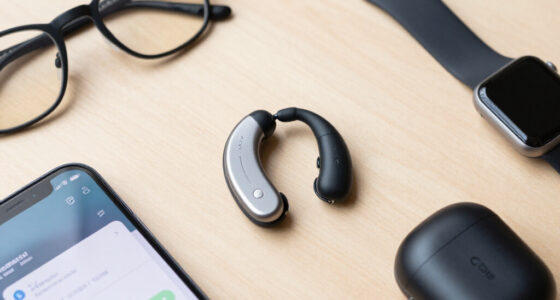
The Oricle Standard 2.0 is an in-ear hearing aid set for adults who want help following conversations, with silicone tips, button controls and a portable charging case. Its clearest appeal is simple daily use: the small in-ear format and claimed battery life of up to 60 hours could suit people who want less frequent charging and a case for travel. The main concern is uncertainty: owner feedback is mixed, and the product information gives limited detail about support and long-term upkeep. It may be worth buying for a convenience-focused buyer, but anyone with complex hearing needs or a low tolerance for fit and sound uncertainty should compare alternatives first.

Get everyday helpers delivered free with Prime
- Fast, free delivery on millions of items
- Prime Video, Amazon Music and more included
- Member-only deals all year

Oricle Hearing Aids for Seniors and Adults with Noise Cancel
- ✔ Brand: Oricle
- ✔ Model Name: Standard 2.0
- ✔ Model Number: HA-JHA490-2.0
Why This Product Stands Out
Oricle’s pitch is convenience over customization. The Standard 2.0 combines an in-ear shape, soft silicone materials, button control and a case that can charge the aids on the move. Those choices address everyday friction: discomfort can make an aid unpleasant to wear for long stretches, while a case can make storage and charging less of a chore. The stated up to 60-hour battery life is another appealing figure for people who want fewer charging interruptions, although actual use can depend on settings and habits.
That package puts the Oricle in the budget end of the hearing-aid market, where buyers often prioritize simple operation and basic support over extensive fitting tools or a detailed service ecosystem. Its promise of clearer speech in noisy surroundings is appealing, but the listing does not explain how the noise control behaves or how users can tailor it. That leaves more uncertainty than buyers may want if they spend much of the day in restaurants, meetings or other demanding sound environments.
The result is a product with a clear everyday-use case but an incomplete picture of reliability and support. Portability and uncomplicated controls are its strongest category advantages; the lack of detail on sound adjustment and ongoing support is the counterweight. Buyers comparing it with Audien Atom One or Atom X should focus on which device’s fit, controls and support arrangements are clearer for their needs. Flaygo may be a more relevant comparison for someone drawn to one-button operation and a stated 80-hour battery life, but its claims also need to be weighed against personal fit and support priorities.
Key Features and What They Mean
In-ear silicone tips are meant to keep the devices close to the ear and comfortable through extended wear. That matters to someone who wants help across a full day of conversations, since an aid that is uncomfortable may end up being used less. Comfort still depends on ear shape and tip fit, so the material alone cannot promise that it will feel right for every user. Treat the comfort claim as a reason to consider the design, not a substitute for checking fit or return terms.
The product describes environmental noise cancellation and enhanced speech clarity in noisy environments. In practice, those features aim to make spoken conversation easier to follow when surrounding sounds compete for attention. The available information does not describe adjustable listening modes or provide performance detail for particular settings, so buyers should avoid assuming that it will handle every restaurant, group conversation or crowded room equally well. For quiet one-to-one conversations, the central question may be whether speech sounds clear and comfortable at all.
Button controls give the user a physical way to operate the aids. This can be useful for people who do not want phone-based setup to be part of everyday use, or who prefer a control they can reach directly. The product details do not give much information about the full control layout or how many adjustments are available. Buyers who want fine control over volume or listening profiles should check those specifics before deciding, because a simple interface can also mean fewer options.
The portable charging case makes the set easier to carry and gives users a dedicated place to store the aids when they are out. Paired with a stated up to 60 hours of battery life, it points toward a routine with less frequent charging. That figure should be read as a maximum claim rather than a guaranteed duration for every pattern of use. The product data also lists a C battery requirement and says one is included, alongside lithium-ion battery information. That combination is not clear enough to explain the full charging and replacement routine, so buyers should confirm the included power setup and what replacements, if any, are needed.
Performance and Real-World Use
For daily conversation support, the Oricle’s likely appeal is that the basic routine appears straightforward: wear the aids in the ear, use the buttons, and keep the set in its case when it needs charging or storage. No phone app is listed as necessary, which can simplify use for people who want fewer setup steps. The available details do not specify a fitting process, sound adjustment range or personalized programming, however. Someone who needs careful tuning may find that a simple device leaves too many questions unanswered.
Comfort and clarity are personal measures, and the mixed owner feedback is a reason to pay attention to both. Silicone tips are designed for comfort, but ear shape and sensitivity affect how an in-ear aid feels. Likewise, noise control may help in some settings without making speech effortless in all of them. Buyers should check the seller’s return and support terms before purchase so there is a practical path if the fit or sound does not suit them.
Charging convenience is a plausible strength for commuting, errands and travel, while maintenance is harder to assess from the product description. There is limited information about software updates and ongoing assistance, and the battery specifications leave questions about replacement needs. Those gaps matter most to buyers who expect to keep a device for years or want clear help if an issue arises. For a buyer seeking a simple, portable aid and willing to confirm these details, the daily-use proposition is more persuasive.
Who Should Buy This
The Oricle Standard 2.0 makes the most sense for an adult who wants basic in-ear assistance for everyday conversation, prefers physical button controls, and values a case that can travel easily. It may suit someone who spends much of the day in routine conversations and wants a compact set with a stated long battery life. A buyer in this group should still confirm the battery arrangement, return window and available support before ordering, then judge the device by its comfort and clarity in the settings they use most.
Who Should Skip This
Skip this set if you need personalized sound fitting, detailed information about performance in challenging environments, or a well-documented support and update path. It is also a weaker choice for anyone unwilling to tolerate uncertainty about ear comfort or the battery setup. If your main difficulty is following group conversation in loud spaces, compare the Oricle with Audien Atom One or Atom X and look closely at their adjustment and support details. If long battery claims and one-button use are your main priorities, Flaygo is another comparison point, though fit and sound suitability still need to guide the choice.
Value for Money
As a budget-tier option, the Oricle could offer practical value if its simple controls, comfortable fit and portable charging match what you need. Its strongest value case is for a buyer who wants a straightforward aid for everyday conversation and does not require extensive tuning or detailed software support. The case and claimed battery life strengthen that convenience argument, but they do not resolve the uncertainty around real-world fit, sound results or replacement needs.
Whether it is worth the price depends on those tradeoffs and the seller’s current terms, rather than on the feature list alone. Buyers should compare the total upkeep involved, the return policy and the help available if the aids are uncomfortable or unclear. If predictability and personalized support matter more than portability, paying for a better-documented alternative may be the wiser choice. The Oricle is easiest to justify when it is an affordable, reversible purchase for a buyer with modest needs and a clear way to return it if it falls short.
Oricle Hearing Aids for Seniors and Adults with Noise Cancel
Oricle’s pitch is convenience over customization . The Standard 2.0 combines an in-ear shape, soft silicone materials, button control and a case that can charge the aids on the move.
Pros:
- Soft silicone tips are intended to make extended in-ear wear more comfortable, which can matter for people who use hearing aids through much of the day.
- Environmental noise cancellation and a focus on speech clarity may help conversation feel more manageable in busy settings, where background sound can compete with voices.
- The stated battery life of up to 60 hours can reduce charging interruptions for people who prefer not to manage a device every day.
- A portable charging case gives users a place to store and recharge the aids while away from home, making the set easier to take on errands or trips.
- Button controls offer a direct way to operate the aids without relying on a phone app, which may suit buyers who value simple physical controls.
Cons:
- Mixed owner feedback signals that comfort and sound quality may vary by person, so the advertised benefits are not a guarantee of a satisfying fit.
- The product information provides little detail about software updates or ongoing support, which makes future maintenance and assistance harder to judge.
- The supplied battery details are not fully clear, and the stated battery requirement may mean replacement planning for some buyers.
- Noise cancellation is described broadly, without enough information to judge how well it separates speech from background noise in specific environments.
Best for: Adults seeking a simple in-ear aid for conversation support, with soft silicone tips and portable charging.
Not ideal for: People who need a clinically tailored hearing solution, detailed support information, or strong evidence about sound performance before buying.
Bottom line: Buy the Oricle Standard 2.0 if you want a simple in-ear hearing aid for routine conversation, value soft silicone tips and portable charging, and can verify the battery and return details before purchase.
Frequently Asked Questions
Are the Oricle Standard 2.0 hearing aids worth buying?
They may be worth buying for someone seeking simple conversation support, physical controls and a portable case. The case is less compelling for buyers who need personalized fitting or a clearly documented support path, since the available product information leaves those areas uncertain.
Will the noise cancellation make speech clear in every busy place?
No product description can promise clear speech in every setting. Oricle describes environmental noise cancellation and speech clarity, but gives limited detail about how the feature performs or what adjustments are available. Buyers who often attend group conversations or loud venues should compare alternatives and check the return terms.
Do these hearing aids need replacement batteries?
The listed specifications say one C battery is required and included, while also identifying lithium-ion battery composition and a portable charging case. That leaves the exact charging and replacement routine unclear. Confirm the battery setup with the seller before purchase so you know what is included and what may need replacing.
How does Oricle compare with Audien or Flaygo?
Compare the devices by fit, control options, battery routine and support information, rather than relying on headline claims alone. Audien Atom One and Atom X are alternatives to investigate if the Oricle’s uncertainty is a concern. Flaygo is a relevant comparison if one-button operation and its stated battery life appeal to you. Check each product’s current details and return terms before choosing.
Final Thoughts
Buy the Oricle Standard 2.0 if you want a simple in-ear hearing aid for routine conversation, value soft silicone tips and portable charging, and can verify the battery and return details before purchase. Its claimed battery life and button controls make the everyday proposition appealing for a convenience-minded buyer. Skip it if you need carefully tailored sound, dependable performance in demanding noise, or a clearer support record. Mixed owner feedback makes fit and clarity the deciding questions. The Oricle is worth considering as a budget option when ease of use matters most and the purchase can be tested against your own needs; otherwise, compare the Audien or Flaygo alternatives before committing.
Halloween Picks
halloween
As an affiliate, we earn on qualifying purchases.