
Over-the-counter hearing devices are regulated to guarantee they’re safe and effective for consumers with mild to moderate hearing loss. These regulations, set by the FDA, limit volume levels, require clear labeling, and set safety standards. They also make sure devices include simple controls for easy use. If you’re considering OTC devices, it’s important to comprehend these rules to use them safely. Keep exploring to learn how these regulations protect you and what to look for.

Get everyday helpers delivered free with Prime
- Fast, free delivery on millions of items
- Prime Video, Amazon Music and more included
- Member-only deals all year
Key Takeaways
- OTC hearing devices are regulated by the FDA to ensure safety, effectiveness, and proper labeling.
- They are limited to use by individuals with mild to moderate hearing loss, not severe impairments.
- Devices must meet maximum volume standards to prevent hearing damage.
- Manufacturers are required to provide clear instructions and safety information for proper use.
- Consumers should consult professionals if hearing issues persist or worsen beyond OTC device capabilities.

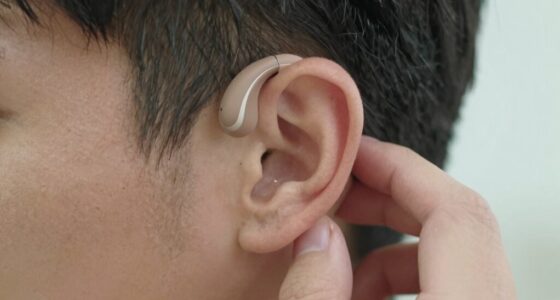
Over-the-counter hearing devices are changing the way people access hearing assistance by offering a more affordable and convenient alternative to traditional hearing aids. These devices use digital amplification technology, which means they can process sound electronically to improve clarity, making it easier for you to understand speech and enjoy daily conversations. Unlike custom-fit hearing aids, OTC devices are designed for quick, simple use, allowing you to get help without the need for expensive visits to audiologists or specialists. This shift directly addresses affordability concerns, as OTC options typically cost considerably less than prescription hearing aids, making hearing support accessible to a broader population.
Over-the-counter hearing devices offer affordable, simple solutions for better hearing without costly visits.
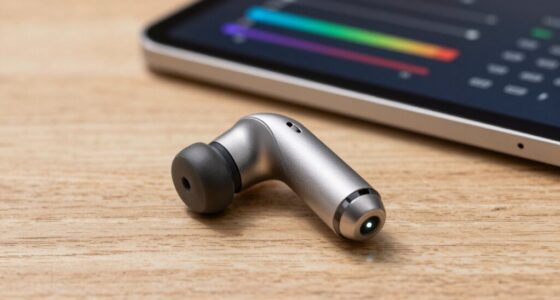
You might be surprised by how easy it is to operate these devices. Many OTC hearing aids come with user-friendly interfaces, often featuring simple buttons or apps that let you adjust volume or switch modes effortlessly. With digital amplification, these devices can adapt to different environments, automatically boosting sounds in noisy settings or clarifying speech, so you don’t have to manually tweak settings constantly. This technology makes it feasible for you to manage your hearing needs on your own, without extensive training or professional intervention, which further reduces costs and wait times. Additionally, regulations ensure that these devices meet safety standards and provide clear labeling to support proper use.
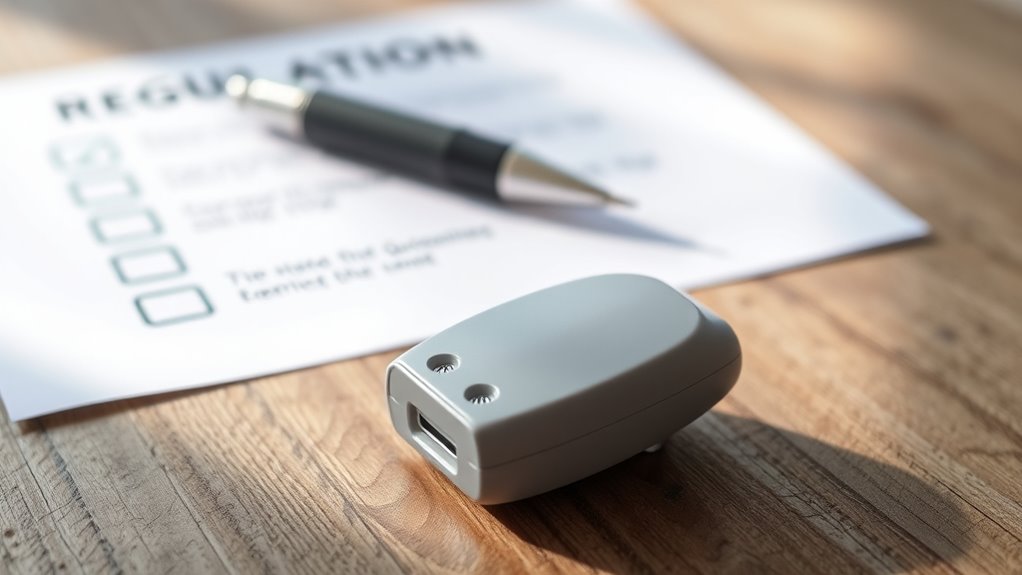
However, it’s important to understand the regulations that govern these devices. The FDA now permits certain over-the-counter hearing aids to be sold directly to consumers, but there are still rules in place to ensure safety and effectiveness. These regulations specify maximum volume levels to prevent damage to your hearing and set guidelines on labeling so you can easily understand how to use the device properly. Manufacturers must provide clear instructions, including information about the device’s limitations, ensuring you’re aware of when to seek professional help if your hearing loss worsens or if the device isn’t providing enough support.
While affordability is a key advantage, it’s essential to be realistic about what OTC hearing devices can do. They are generally suitable for mild to moderate hearing loss but might not meet the needs of severe cases. Regulations are in place to prevent unsafe or ineffective products from reaching consumers, but you should still consult healthcare professionals if you experience persistent hearing issues. These professionals can help confirm your diagnosis and guide you toward the most appropriate treatment, whether that’s an OTC device or a traditional hearing aid. Being aware of your hearing loss severity and understanding the device’s limitations will help you make an informed choice.
As an affiliate, we earn on qualifying purchases.
Frequently Asked Questions
How Do OTC Hearing Devices Compare to Prescription Hearing Aids?
You might wonder how OTC hearing devices compare to prescription hearing aids. OTC devices often feature basic hearing aid technology, making them simpler and more user-friendly. They promote consumer affordability by eliminating costly audiologist visits. While prescription hearing aids are tailored to your specific hearing loss, OTC options are convenient for mild to moderate issues. Consider your needs carefully—OTC devices can be a good, affordable choice if your hearing loss is straightforward.
Are OTC Hearing Devices Suitable for Severe Hearing Loss?
Did you know that nearly 15% of adults have some form of hearing loss? OTC hearing devices generally aren’t suitable for severe loss because of advanced technology limitations. They’re designed for mild to moderate hearing issues, so if you have severe loss, prescription hearing aids are usually more effective. You should consult an audiologist to find the best solution tailored to your specific needs.
Can OTC Devices Be Adjusted or Customized by Users?
You can often make user adjustments or even customize OTC hearing devices to better fit your needs. Many models include simple controls or smartphone apps that let you tweak volume or settings. However, keep in mind that some devices offer limited customization compared to professional fittings. If you require more personalized adjustments, consulting an audiologist might be necessary to ensure ideal hearing support.
What Are the Potential Risks of Using OTC Hearing Devices?
Using OTC hearing devices can pose risks like device malfunctions or user misuse, which might lead to discomfort or ineffective hearing improvement. If you don’t follow instructions carefully, you could experience amplified background noise or even damage your hearing. It’s important to assess your hearing needs and use the device as directed. Consulting a professional can help prevent these risks and make sure you get the most benefit from your OTC hearing device.
Do OTC Hearing Devices Require a Hearing Test Before Purchase?
You don’t need a hearing test or medical consultation before buying over-the-counter hearing devices. These devices are designed for mild to moderate hearing loss and are sold directly to consumers. However, it’s a good idea to get a hearing test from a professional if you suspect more significant hearing issues. Doing so guarantees you select the right device and avoid potential risks associated with incorrect usage or underlying health problems.
Conclusion
You might think over-the-counter hearing devices aren’t as effective as custom ones, but recent regulations guarantee they meet strict quality standards. With easier access and affordable prices, you can confidently try these devices to improve your hearing. Don’t let concerns hold you back—regulations are designed to protect you and ensure you get reliable, safe options. Take control of your hearing health today and enjoy clearer conversations and better daily life.
Evergreen bestsellers Picks
bestsellers
As an affiliate, we earn on qualifying purchases.