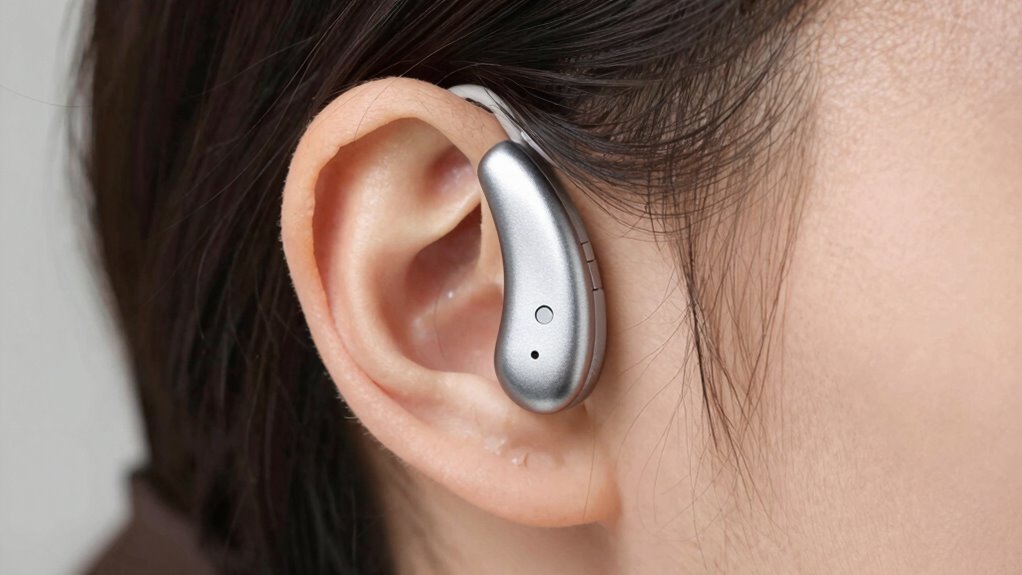

Changing the vent size in your hearing aids affects how natural and clear your sounds are. A larger vent lets more air and sound pass through, making your hearing feel more authentic and reducing muffling. However, it may weaken amplification and decrease noise clarity. Smaller vents improve sound amplification and help with faint sounds but might make natural sound feel less full. If you’re curious about how vent choices impact your hearing experience, keep exploring to find what works best for you.

Get everyday helpers delivered free with Prime
- Fast, free delivery on millions of items
- Prime Video, Amazon Music and more included
- Member-only deals all year
Key Takeaways
- Larger vents allow more natural sound and airflow, reducing muffling but possibly decreasing amplification strength.
- Smaller vents restrict airflow, enhancing sound amplification but may slightly diminish sound naturalness.
- Vent size influences clarity in noisy environments, with smaller vents improving hearing of faint or distant sounds.
- Larger vents can reduce power consumption and extend battery life by easing airflow and device workload.
- Vent design impacts moisture management, durability, and comfort, affecting overall hearing aid performance and user experience.
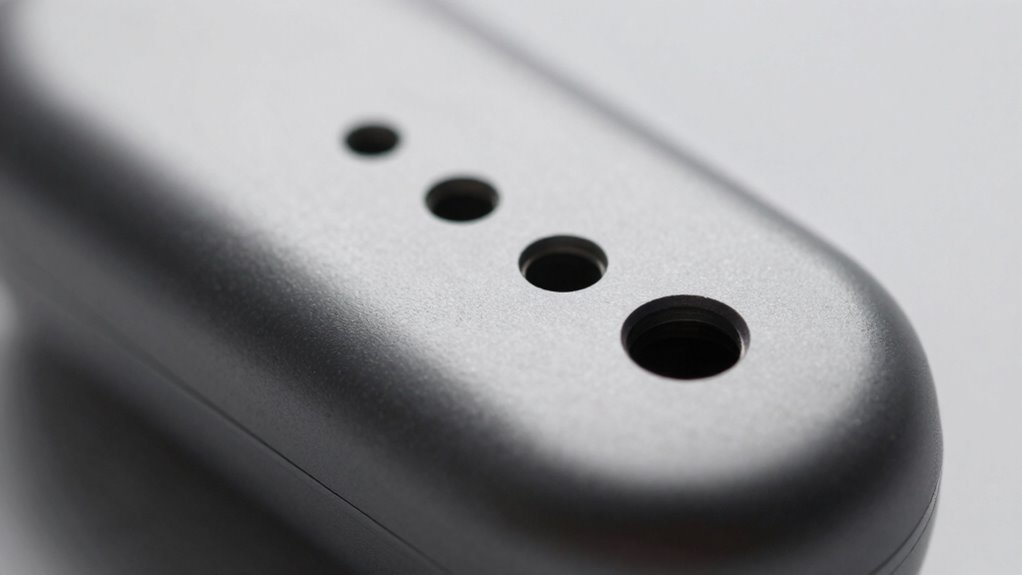
When choosing a hearing aid, understanding how vent size affects sound quality is vital, because it directly influences your hearing experience. The vent is a small opening in the device that allows air and sound to pass through. Its size can dramatically change how you perceive sounds, especially in terms of clarity and comfort. If the vent is large, it lets more sound and air flow freely, which can make natural sounds feel more authentic and less muffled. However, this also means that your hearing aid may not amplify sounds as strongly, which might be a concern if you need significant hearing assistance.
On the other hand, a smaller vent restricts airflow, helping the device to amplify sounds more effectively. This can improve your ability to hear faint or distant sounds clearly, especially in noisy environments. But, with a tiny vent, you might notice a slight reduction in natural sound quality, and some users find it makes their hearing experience feel less natural. The decision on vent size often depends on your specific hearing needs and preferences. For example, if you prefer a more natural sound and have mild hearing loss, a larger vent might be ideal. Conversely, if you need maximum amplification, a smaller vent could serve you better.
Another essential aspect to think about is how vent size impacts the battery life of your hearing aid. Larger vents may help in reducing the device’s power consumption because they allow sound to enter more easily, which can lead to less strain on the hearing aid’s amplifier. This can translate into longer battery life, meaning fewer replacements or recharges. Additionally, vent design can influence how well the device manages moisture and debris, further affecting its longevity. It is also important to consider how vent size can affect the overall comfort and fit of the device, especially for prolonged wear. Proper venting techniques can also help prevent issues like feedback and discomfort, making the device more user-friendly over time. Interestingly, some vent configurations are designed specifically to optimize both sound quality and device durability. Conversely, with smaller vents, the device may work harder to amplify sounds, consuming more power and shortening your battery life. So, if you’re someone who prefers longer-lasting batteries, choosing a vent size that balances sound quality with power efficiency becomes important.
Cosmetic appearance also plays a role in your choice. Smaller vents are often hidden better and give the device a sleeker, less noticeable look. Larger vents might be more visible, especially in custom models, which could affect how confident you feel wearing your hearing aid. Some people prefer a discreet appearance and opt for smaller vents, while others prioritize sound quality and comfort over aesthetics. Understanding the benefits of vent size can help you weigh these factors more effectively.
hearing aid vent size replacement
As an affiliate, we earn on qualifying purchases.
As an affiliate, we earn on qualifying purchases.
Frequently Asked Questions
How Does Vent Size Affect Battery Life in Hearing Aids?
A larger vent in your hearing aid can decrease battery efficiency because it allows more sound and air to escape, which increases power consumption. This means your hearing aid might drain the battery faster since it needs to work harder to produce clear sound. Conversely, a smaller vent helps retain sound and air, improving battery life. So, choosing the right vent size can balance sound quality and power use effectively.
Can Vent Size Impact the Durability of Hearing Aids?
Think of vent size as the backbone of your hearing aid’s durability. A larger vent may invite clogging faster, risking damage over time, especially if not maintained. Customizing vent size helps prevent clogging, extending your device’s lifespan. Proper vent management guarantees your hearing aid stays resilient, much like a well-built bridge, supporting your hearing needs without compromising its durability.
Does Vent Size Influence the Comfort for Different Ear Shapes?
Yes, vent size influences comfort based on your ear canal shape. A well-designed vent can reduce pressure and noise, making the hearing aid more comfortable, especially for those with narrower or wider ear canals. Vent design matters because it allows airflow and sound transmission tailored to your ear’s unique shape. If your ear canal is curved or tight, a smaller vent might be more comfortable, while a larger vent benefits others.
How Often Should I Have My Vent Size Checked or Adjusted?
Think of vent size maintenance like tuning a guitar—regular adjustments keep everything sounding just right. You should have your vent size checked or adjusted at least once a year, or sooner if you notice changes like reduced sound quality or discomfort. Frequent adjustment ensures ideal performance and comfort. Visiting your audiologist regularly helps catch any issues early, ensuring your hearing aids continue to work perfectly for your needs.
Are There Specific Vent Sizes Recommended for Certain Hearing Loss Types?
Yes, specific vent sizes are recommended based on your hearing loss type. For mild to moderate hearing loss, a larger vent allows more natural sound and reduces occlusion. For severe losses, smaller vents help amplify sound directly into your ear. Vent size customization is essential for ideal comfort and performance. Consult your audiologist, who will tailor the vent size to match your hearing loss type, ensuring the best hearing experience.
Conclusion
Choosing the right vent size can dramatically influence how your hearing aid sounds, making conversations clearer or background noise more manageable. Imagine, with the perfect vent, you could improve speech clarity by up to 30%, helping you enjoy social moments without straining. So, take the time to work with your audiologist; the right vent size isn’t just a tweak—it’s a game-changer in your hearing experience.
Fall Picks
fall essentials
As an affiliate, we earn on qualifying purchases.