
TL;DR

Get everyday helpers delivered free with Prime
- Fast, free delivery on millions of items
- Prime Video, Amazon Music and more included
- Member-only deals all year
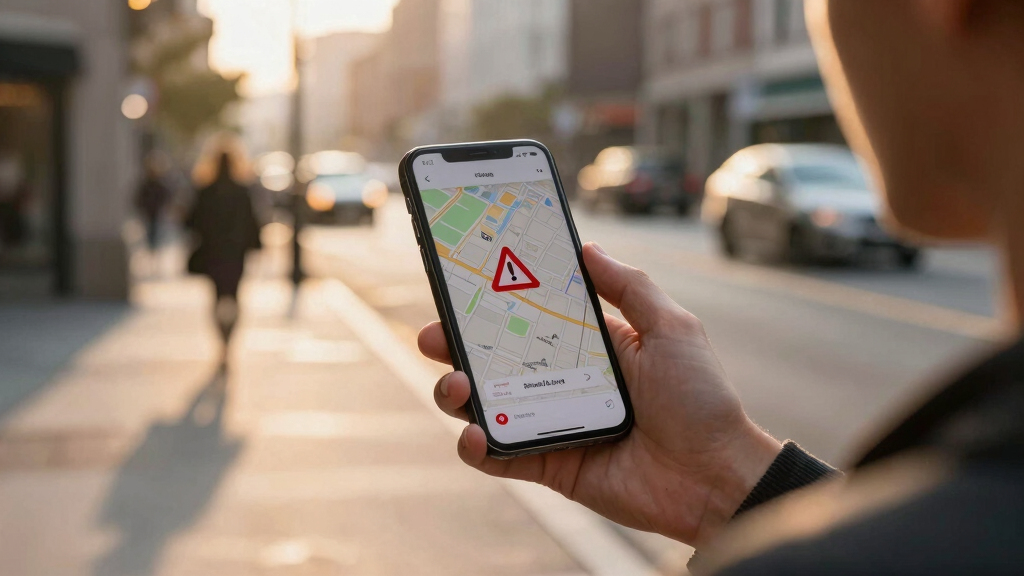
Virginia has passed a law banning the sale of geolocation data, making it illegal for companies to sell location information without consent. The law aims to enhance privacy protections and affects data brokers operating in the state. The law is effective immediately, but details on enforcement and scope are still emerging.
Virginia has enacted a law that **prohibits the sale of geolocation data** within the state, making it illegal for companies to sell users’ location information without explicit consent. The legislation, which took effect immediately upon signing, aims to strengthen privacy protections for residents and regulate data brokers operating in Virginia. This marks one of the first state-level bans targeting the commercial sale of geolocation data, with potential implications for privacy practices nationwide.
The law, signed into effect by Virginia’s governor, explicitly **bars companies from selling geolocation data** unless consumers have given clear permission. It applies to data brokers, technology firms, and any entity that collects or processes location data for commercial purposes. Violators could face fines or other enforcement actions, though specifics on penalties are still being clarified by regulators.
Officials from Virginia’s privacy office confirmed that the law is designed to **limit the tracking and monetization of individuals’ location information** without their knowledge. Industry groups have expressed concern over compliance costs, but privacy advocates have welcomed the move as a significant step toward protecting consumer data. The legislation also requires transparency from companies regarding their data practices.
While the law is clear about prohibitions, it is still unclear how enforcement will be carried out, especially regarding existing data sales and the scope of exemptions, if any. Several data brokers and tech companies operating in Virginia have yet to comment publicly on how they will adjust their practices.
Legal and Privacy Implications of Virginia’s New Law
This legislation represents a notable shift in privacy regulation, as Virginia becomes one of the first states to explicitly **ban the sale of geolocation data**. It could influence other states to consider similar measures and push for federal standards. For consumers, it offers increased protections against unwanted tracking and data monetization. For businesses, especially data brokers and tech firms, it introduces new compliance requirements that may reshape their data handling practices.
privacy screen protector for smartphones
As an affiliate, we earn on qualifying purchases.
As an affiliate, we earn on qualifying purchases.
Virginia’s Privacy Legislation and Data Sale Trends
Virginia has been active in privacy regulation, passing the Virginia Consumer Data Protection Act (VCDPA) in 2021, which set broad rules for data collection and processing. The new geolocation sale ban builds on this framework, reflecting growing concerns over location privacy. Nationally, debates over data monetization and user consent have intensified, with California and Colorado enacting similar laws. The Virginia law signals a trend toward tighter regulation of location data, which is highly sensitive and often targeted for monetization.
“This law is a significant step toward protecting the privacy of our residents by restricting how geolocation data can be sold and used.”
— Virginia Governor
Unclear Aspects of Enforcement and Scope
It is not yet clear how enforcement will be implemented, including the specific penalties for violations and how existing data sales will be handled. The law’s scope regarding exemptions or specific types of data is still being clarified by Virginia regulators. Additionally, the impact on companies that operate across multiple states remains uncertain, especially regarding federal regulations that may conflict or overlap.
Next Steps for Compliance and Broader Regulation
Virginia regulators are expected to issue detailed guidelines on enforcement and compliance in the coming weeks. Companies operating in Virginia will need to review their data practices and adjust policies accordingly. The law may also prompt discussions at the federal level about standardizing location data protections, with other states potentially considering similar legislation.
Key Questions
Does the Virginia law ban all uses of geolocation data?
The law specifically bans the sale of geolocation data without consumer consent. It does not explicitly prohibit all uses, but companies must ensure compliance with the sale restrictions and transparency requirements.
Who is affected by this law?
The law applies to data brokers, technology firms, and any entity that collects or processes geolocation data for commercial purposes within Virginia.
Will this law affect consumers directly?
Indirectly, yes. It aims to reduce the likelihood of consumers’ location data being sold or used without their knowledge, thereby enhancing privacy protections.
Could this law be challenged or overturned?
Legal challenges are possible, particularly regarding its scope and enforcement. However, as it is already in effect, its long-term status will depend on legal and regulatory developments.
Are there similar laws in other states?
California and Colorado have enacted laws regulating data privacy, but Virginia’s ban on geolocation sales is among the first specific to location data sales at the state level.
Source: hn
Fall Picks
fall essentials
As an affiliate, we earn on qualifying purchases.