
Backup power keeps your accessibility devices running during power outages, so you can maintain safety, independence, and routines without interruption. It guarantees devices like motorized wheelchairs, hearing aids, and communication tools stay operational when they’re needed most. Proper systems, batteries, and regular maintenance help prevent failures and extend battery life. Choosing the right backup power solution can provide peace of mind and greater reliability—if you want to discover how to optimize your setup, keep exploring.

Get everyday helpers delivered free with Prime
- Fast, free delivery on millions of items
- Prime Video, Amazon Music and more included
- Member-only deals all year
Key Takeaways
- Provides continuous power to essential devices during outages, ensuring uninterrupted access and safety.
- Supports independence by preventing device failure when users rely heavily on motorized wheelchairs, hearing aids, and communication tools.
- Enables quick replacements and reliable operation through proper setup, maintenance, and spare batteries.
- Ensures backup systems have sufficient capacity to power devices throughout the entire duration of power disruptions.
- Integrates into emergency plans, maintaining routines and safety during unexpected blackouts.
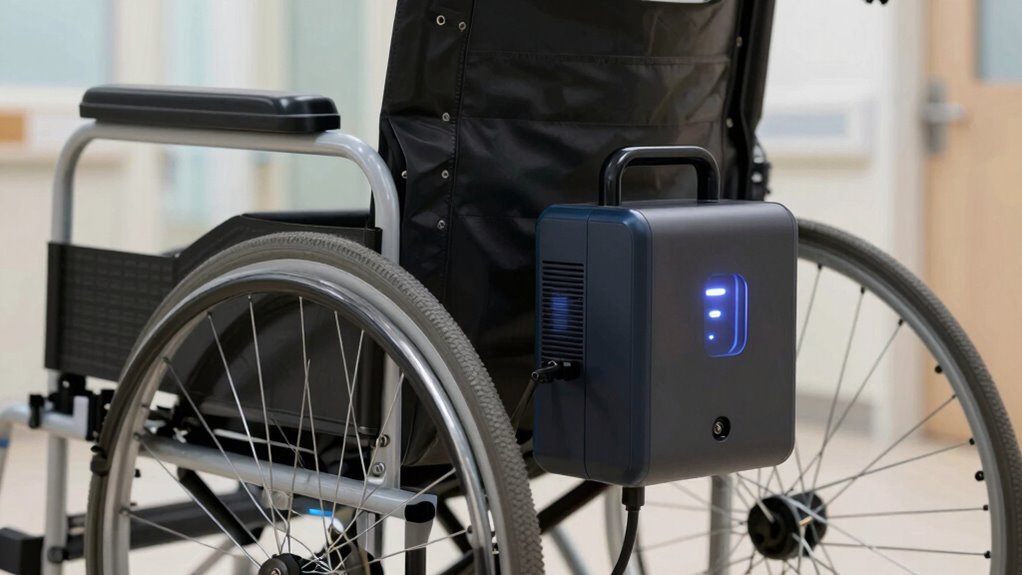
When a power outage occurs, backup power systems become essential for maintaining accessibility devices that many rely on daily. These devices—such as motorized wheelchairs, hearing aids, and communication tools—are indispensable for your independence and safety. Without a reliable power source, you risk losing access just when you need it most. That’s why integrating backup power into your emergency preparedness plan is paramount. It guarantees that even during blackouts, your essential devices stay operational, giving you peace of mind and continuity in your daily activities.
Choosing the right backup power solution involves understanding your specific needs and the importance of battery longevity. You want a system that can sustain your devices for the duration of a power outage without frequent recharges or replacements. High-quality batteries, especially those designed for emergency use, tend to last longer and provide more dependable power. Lithium-ion batteries, for instance, are known for their durability and ability to hold a charge over extended periods, making them ideal for backup systems. Regularly maintaining and testing your backup power setup will help maximize battery longevity, ensuring your devices remain functional when you need them most. Additionally, understanding the role of batteries] in emergency preparedness can help you choose the most reliable options for your needs.
Another key aspect of effective backup power is guaranteeing that your accessibility devices are compatible with your chosen system. Some devices can be directly connected to backup batteries, while others might require specialized adapters or power management units. Proper setup and routine checks help prevent unexpected failures during outages. It’s also wise to keep spare batteries on hand if your system allows for quick replacements, further enhancing your emergency preparedness.
Investing in a backup power solution isn’t just about technology; it’s about creating a safety net that keeps you connected and independent. You should consider the capacity of the system—how much power it can store and deliver—based on the number and type of devices you need to run. This planning ensures that your essential devices stay powered for the entire duration of a blackout, reducing stress and risk. Remember, the goal is to select a system that aligns with your lifestyle, offers dependable performance, and maintains high battery longevity over time.
Ultimately, backup power systems are an essential part of your emergency preparedness. They safeguard your accessibility devices, ensuring you maintain your routines and safety during unforeseen outages. By understanding the importance of battery longevity and choosing the right technology, you can confidently face power disruptions, knowing your critical devices will keep working when they’re needed most.
Products Worth Considering

Jackery Explorer 300 Portable Power Station, 292Wh

Anker SOLIX C200 DC Portable Power Station, 192Wh, 200W

Bose SoundLink Flex Bluetooth Speaker (2nd Gen), Portable Waterproof Speaker, Black
As an affiliate, we earn on qualifying purchases.
Frequently Asked Questions
How Long Can Backup Power Typically Last During an Outage?
During an outage, backup power typically lasts from a few hours to over a day, depending on your device’s battery lifespan and power management. If your accessibility device has a high-capacity battery or efficient power management, it can operate longer. Regularly checking and maintaining your backup power system guarantees you maximize runtime. Remember, investing in quality batteries and smart power management helps keep your essential devices running when you need them most.
Are There Specific Backup Power Options Recommended for Different Accessibility Devices?
You should choose specific backup power options based on your accessibility device’s needs. For example, devices with lithium-ion batteries benefit from portable power banks, while larger equipment may require uninterruptible power supplies (UPS). Investigating battery types and power sources reveals that matching the right backup option guarantees reliable operation during outages. Always consider your device’s power consumption and portability needs to select the best backup power solution for your accessibility devices.
How Often Should Backup Power Systems for Accessibility Devices Be Tested?
You should test your backup power systems for accessibility devices at least once every three months. Regular testing helps guarantee battery lifespan remains ideal and that backup systems will work when needed. Follow your maintenance schedule closely, including inspecting batteries for corrosion or damage, and replace them as recommended by the manufacturer. Consistent testing and maintenance keep your accessibility devices dependable during power outages.
What Are the Safety Considerations When Installing Backup Power for Accessibility Devices?
When installing backup power for accessibility devices, you should prioritize safety by following emergency protocols and ensuring adequate power capacity. Make sure the system is installed by qualified professionals, who will check for proper grounding and ventilation. Regularly test the system and keep emergency procedures updated. Avoid overloading outlets, and use surge protectors to prevent damage, ensuring your backup power remains reliable and safe during outages.
Can Backup Power Systems Be Integrated With Smart Home Technology?
Yes, backup power systems can be integrated with smart home technology. You can enable smart integration and automation control to automatically switch your accessibility devices to backup power during outages. This seamless process guarantees your devices stay functional without manual intervention, providing peace of mind. By connecting your backup power to your smart system, you create a more reliable and accessible home environment, especially when you need it most.
Conclusion
Imagine a world where your accessibility devices hum softly in the background, ready to spring to life at a moment’s notice. Backup power guarantees you’re never left in the dark, even when the lights go out. It’s like a steady hand guiding you through a storm, keeping your independence shining bright. With reliable backup, you can face any blackout with confidence, knowing your tools are always there, quietly supporting your journey every step of the way.