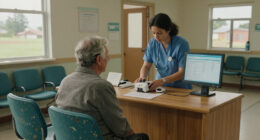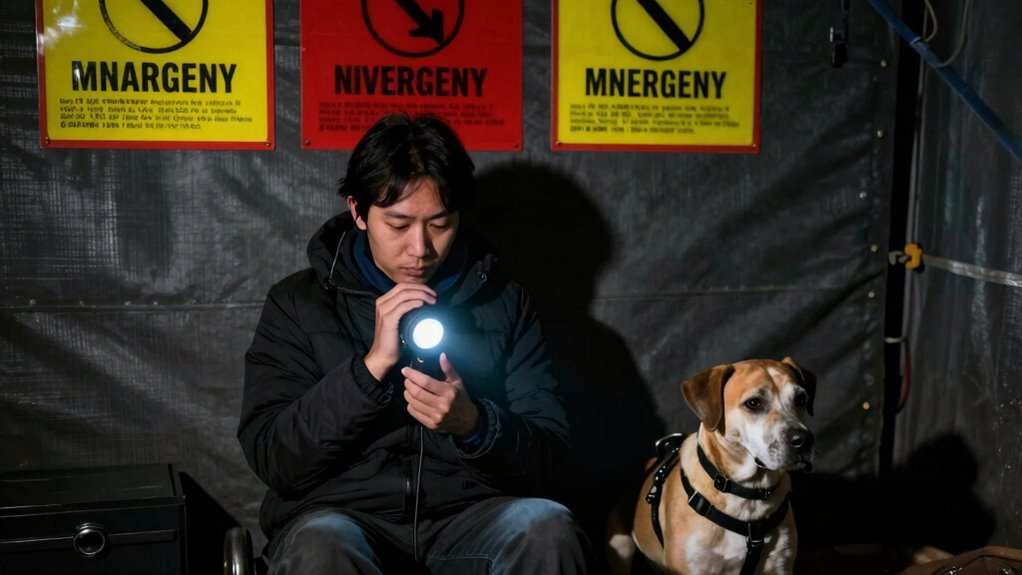

Emergency preparedness looks different with hearing loss because traditional alerts like sirens and alarms may not get your attention. You need specialized devices such as vibrating alerts or flashing lights to stay safe. Building a clear plan, practicing communication strategies, and informing emergency services helps you respond quickly. Regularly testing your tools and updating your plan guarantees you’re prepared. Keep exploring to discover more ways to customize your safety approach effectively.

Get everyday helpers delivered free with Prime
- Fast, free delivery on millions of items
- Prime Video, Amazon Music and more included
- Member-only deals all year
Key Takeaways
- Hearing loss can prevent detection of standard alarms and sirens, requiring alternative alert systems.
- Traditional emergency signals may be ineffective, necessitating specialized visual or tactile alerts.
- Communication during emergencies often relies on visual cues or sign language instead of auditory messages.
- Emergency plans must include troubleshooting and backup options for assistive devices to ensure awareness.
- Engaging with emergency services and community resources tailored for hearing loss enhances safety and response.
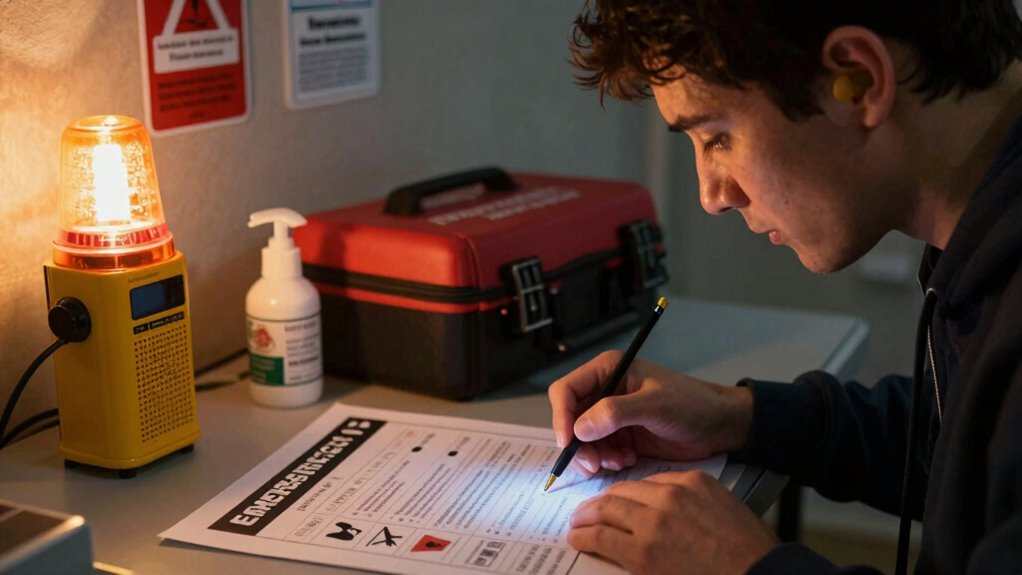
Emergencies can happen suddenly, and for individuals with hearing loss, these situations pose unique challenges. You might find it harder to hear alarms, sirens, or important announcements, which means your usual emergency signals may not be enough. That’s why preparing in advance becomes essential. Assistive technology plays a critical role here—devices like vibrating alert systems, flashing lights, or specialized smoke detectors can notify you when danger is near. These tools are designed specifically for your needs, making sure you don’t miss critical cues during a crisis. It’s important to invest in these technologies and test them regularly to verify they work effectively in your environment. Incorporating disability-specific resources can also enhance your overall safety plan. Additionally, understanding emergency preparedness can help you develop more comprehensive strategies tailored to your needs. Staying informed about disability accommodations can further ensure your safety in various emergency situations.
Prepare in advance with assistive tech to ensure safety during emergencies for those with hearing loss.
Alongside assistive technology, developing effective communication strategies can make a significant difference during emergencies. You need clear, reliable ways to receive information and seek help if needed. For example, establishing a network of friends, family, or neighbors who understand your needs can guarantee you get timely updates or assistance. You might also want to carry a written emergency plan that outlines what to do, how to communicate, and whom to contact. Visual aids or sign language can be integrated into your plan if you use them, making sure your messages are understood quickly. Practicing these strategies regularly helps you feel more confident and prepared. Being familiar with emergency communication methods can help reduce anxiety and ensure faster response times. Recognizing the importance of personalized safety measures can further improve your preparedness and peace of mind.
Your emergency plan should also include how to use your assistive technology effectively. For example, know how to troubleshoot your vibrating alerts or flashing lights if they malfunction. Keep backup batteries or alternative devices handy, so you’re not left without warning. Additionally, consider placing visual cues in key areas of your home—like flashing lights near your bed or in the kitchen—so you’re immediately aware of an emergency, even if you’re not paying attention to your devices. The goal is to create multiple layers of notification that compensate for your hearing loss and guarantee your safety. Regularly updating and practicing your plan ensures that all components work seamlessly when you need them most.
Besides technology and communication strategies, it’s wise to inform your local emergency services about your hearing loss. Many communities offer resources or specialized response services for people with disabilities. Registering with them can guarantee that emergency responders are aware of your needs and can assist you appropriately. Remember, preparedness is a continuous process—regularly review and update your plans, test your assistive devices, and keep important contacts informed. By taking these steps, you’ll make emergency situations less overwhelming and more manageable, giving yourself peace of mind knowing you’re protected, no matter what happens.
vibrating emergency alert system for hearing loss
As an affiliate, we earn on qualifying purchases.
As an affiliate, we earn on qualifying purchases.
Frequently Asked Questions
How Can I Ensure Alert Systems Are Accessible for Hearing-Impaired Individuals?
You can guarantee alert systems are accessible for hearing-impaired individuals by integrating assistive technology like flashing lights and vibrating alerts. Regularly test these systems and educate your community on their use. Engage in community outreach to raise awareness and gather feedback from hearing-impaired residents. Collaborate with local emergency services to make sure these alert systems are inclusive, effective, and tailored to meet everyone’s needs during emergencies.
What Are the Best Visual Alert Options During Emergencies?
You should consider alarm customization and visual signaling as your top options during emergencies. Bright flashing lights, strobe alarms, and visual alerts on devices draw attention effectively. Use customizable alarms to tailor alerts to your needs, guaranteeing they stand out. Combine multiple visual signals, like flashing lights and on-screen notifications, to maximize awareness. By choosing these visual alert options, you guarantee you won’t miss critical emergency information.
How Can I Communicate Effectively During a Disaster Without Hearing?
During a disaster, you can communicate effectively by using sign language if you’re comfortable with it, or rely on assistive technology like vibrating alert devices and speech-to-text apps. Keep a written emergency plan or a communication card handy to share essential information quickly. Practice these methods regularly to guarantee you’re prepared and confident to communicate clearly, even when hearing isn’t an option.
Are There Specialized Emergency Kits for People With Hearing Loss?
Think of these specialized emergency kits as your personal Bat-Signal, tailored for those with hearing loss. They often include assistive technology like vibrating alert devices, visual alarms, and captioned emergency communication tools. During emergency drills, these kits help you practice quick, effective responses. By preparing with such kits, you guarantee you’re not left in the dark, making your safety as dependable as a superhero’s sense of justice.
How Can Family Members Support Deaf or Hard-Of-Hearing Loved Ones During Emergencies?
You can support your deaf or hard-of-hearing loved ones during emergencies by engaging with the community to share resources and information. Make certain they have visual alerts and accessible communication tools. Offer mental health support by staying calm and reassuring them. Practice emergency plans together, emphasizing clear visual cues and sign language if needed. Staying connected, informed, and empathetic helps them feel secure and prepared during emergencies.
Conclusion
Remember, about 15% of adults in the U.S. have hearing loss, making emergency preparedness crucial for everyone. With hearing impairments, traditional alerts like sirens might not work for you, so it’s essential to have visual alerts and a communication plan. By understanding these differences, you can stay safe and informed during emergencies. Embrace these strategies—your safety depends on it! Being prepared ensures you’re not left in the dark when it matters most.
Fall Picks
fall essentials
As an affiliate, we earn on qualifying purchases.