
Yes, you can generally use your HSA or FSA funds for hearing devices like hearing aids if they are prescribed by a healthcare professional. These accounts cover qualified medical expenses, which include devices that treat hearing loss. Make sure to keep detailed receipts and your prescription handy when claiming reimbursement. If you want to learn more about qualifying expenses and how to maximize your benefits, keep exploring these guidelines.
Key Takeaways
- Hearing aids are generally qualified medical expenses if prescribed by a healthcare professional.
- HSA and FSA funds can typically be used to purchase prescription hearing aids.
- Over-the-counter hearing devices may not qualify unless prescribed; check your plan’s rules.
- Submit receipts, prescriptions, and documentation to reimburse hearing device expenses through your HSA or FSA.
- Confirm your specific plan coverage and limitations to maximize benefits for hearing health expenses.

EarCentric EasyCharge Rechargeable Hearing Aids (Pair) for Seniors, Behind-The-Ear BTE Ear Aid PSAP digital Personal sound amplification products devices with Noise Cancellation (Beige)
⚡ Effortless Rechargeable Design: No more costly battery changes! The EasyCharge desktop dock provides a full 20+ hours…
As an affiliate, we earn on qualifying purchases.
As an affiliate, we earn on qualifying purchases.
What Are HSA and FSA Accounts?

HSA and FSA accounts are flexible spending tools that help you save money on healthcare costs. These accounts offer significant tax advantages by allowing you to set aside pre-tax dollars for qualified medical expenses, reducing your taxable income. An HSA (Health Savings Account) is available if you have a high-deductible health plan, and it lets you save and grow funds tax-free over time. An FSA (Flexible Spending Account), often offered through your employer, provides immediate access to funds for medical costs within the plan year. Both accounts are designed to boost your medical savings, making healthcare more affordable. Additionally, understanding qualified medical expenses can help you determine what costs are eligible for reimbursement, making your savings more effective. Utilizing Free Floating principles in your planning can help optimize your healthcare budget and avoid unnecessary expenses. Being aware of regulatory guidelines can further assist in ensuring compliance and maximizing benefits from these accounts. Staying informed about account limits and contribution rules can help you plan your savings strategy effectively. By using these accounts wisely, you can maximize your savings and ease the financial burden of healthcare expenses.

Audien Atom One OTC Hearing Aids – Wireless, Rechargeable, and Comfortable | Clear Sound in a Small, Discreet Design for Seniors & Adults with Hearing Loss
Hear What Matters Most: Hearing isn’t one-size-fits-all. That’s why our adjustable frequency system lets you personalize your sound…
As an affiliate, we earn on qualifying purchases.
As an affiliate, we earn on qualifying purchases.
Are Hearing Aids and Hearing Devices Qualified Medical Expenses?

Hearing aids and hearing devices are generally considered qualified medical expenses when purchased to treat hearing loss. This means they often qualify for hearing aid coverage through your HSA or FSA. To understand medical expense eligibility, consider these points:
Hearing aids are typically qualified medical expenses if prescribed for hearing loss treatment.
- The device must be prescribed by a healthcare professional.
- It should directly address hearing impairment.
- Over-the-counter hearing aids may not qualify without a prescription.
- Hearing aid coverage varies by plan but usually includes these devices if prescribed.
Knowing these rules helps ensure your hearing aid purchases are eligible for tax advantages. Always verify if your specific hearing device qualifies under your plan’s hearing aid coverage, so you maximize your benefits and avoid any surprises during tax time.

Duracell Hearing Aid Batteries Brown Size 312, 32 Count Pack, 312A Size Hearing Aid Battery with Long-Lasting Power, Extra-Long EasyTab Install for Hearing Aid Devices
SIZE 312 BROWN HEARING AID BATTERY– Duracell size 312 Hearing Aid batteries provide reliable, long-lasting power for your…
As an affiliate, we earn on qualifying purchases.
As an affiliate, we earn on qualifying purchases.
How Can You Tell If Your Hearing Devices Are Covered?

Wondering if your hearing devices qualify for coverage? The key is to check if they meet specific insurance coverage options and are classified as medical expenses. Modern hearing aid technology often qualifies if prescribed by a healthcare professional. To simplify, consider this table:
| Device Type | Qualification Criteria | Notes |
|---|---|---|
| Traditional Hearing Aids | Prescription required | Usually covered under insurance |
| Rechargeable Devices | Meets medical necessity | Check coverage specifics |
| Advanced Hearing Tech | Prescribed by a professional | May need prior approval |
| Over-the-counter Devices | Not typically covered | Limited or no insurance coverage |
| Custom Fit Devices | Prescription mandatory | Confirm with your insurer |
Review your policy details to confirm coverage, focusing on how your insurance handles different hearing aid technology.

8 Pieces Hearing aid Amplifier Cleaning Tools, Earbuds/Headphones Cleaner Brush Kits with case
Multi-functional Hearing Aid CleaningTools: It is suitable for hearing aids, earphones, ear molds, earplugs and other difficult to…
As an affiliate, we earn on qualifying purchases.
As an affiliate, we earn on qualifying purchases.
How Do You Reimburse Hearing Device Purchases?
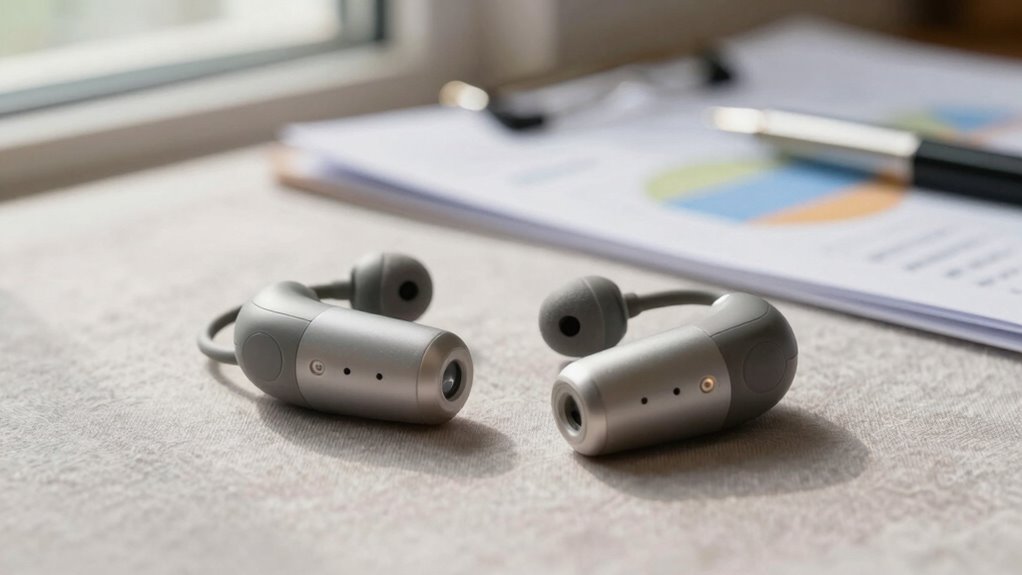
Reimbursing your hearing device purchases involves understanding the specific processes set by your insurance or flexible spending account. First, gather all receipts showing hearing aid discounts and detailed purchase info. Second, review your insurance claim procedures to confirm coverage requirements. Third, submit your claim with supporting documents, such as receipts and medical prescriptions. Fourth, follow up to ensure your claim is processed promptly and reimbursement is received. Some plans may require prior authorization or specific forms. Knowing these steps helps you maximize your benefits and avoid delays. Additionally, understanding net worth and how it impacts your financial planning can help you better manage healthcare expenses. Being aware of insurance claim procedures ensures you are prepared to provide all necessary documentation. Familiarizing yourself with coverage limitations can prevent unexpected out-of-pocket costs. Awareness of healthcare regulations can also influence your reimbursement process. By understanding your insurance claim procedures, you can efficiently get reimbursed for your hearing aids and make the most of your FSA or HSA funds.
Tips to Maximize Your HSA or FSA for Hearing Health

To make the most of your HSA or FSA for hearing health, it’s essential to plan ahead and stay organized. Start by confirming your insurance coverage to understand what costs it covers, freeing up more funds for expenses your plan doesn’t cover. Keep detailed receipts and documentation of hearing aid technology purchases, including fittings and accessories, to ensure smooth reimbursement. Take advantage of the latest hearing aid technology, which may be eligible under your HSA or FSA if deemed medically necessary. Regularly review your plan’s rules, as some expenses related to hearing health may be eligible, even if not directly labeled as hearing devices. Understanding healthcare terminology can help you navigate your plan options more effectively. Staying informed allows you to maximize your benefits and reduce out-of-pocket costs effectively, especially when understanding the qualified medical expenses that your plan recognizes. Being aware of medical necessity requirements can further help you qualify for coverage on advanced hearing solutions. Additionally, familiarizing yourself with benefit limits can prevent unexpected expenses and ensure you utilize your funds fully. Consulting with your healthcare provider about coverage options can also help identify additional eligible expenses and optimize your benefits.
Frequently Asked Questions
Can Over-The-Counter Hearing Devices Be Purchased With HSA or FSA Funds?
Yes, you can use HSA or FSA funds to purchase over-the-counter hearing devices if they qualify as hearing aid costs. FSA eligibility typically covers these devices, making it easier to handle expenses. Keep in mind, regulations can vary, so check with your plan provider. Using your FSA or HSA for hearing aid costs helps you save on out-of-pocket expenses and ensures you get the hearing support you need.
Are There Specific Brands of Hearing Aids That Qualify for Fsa/Hsa Reimbursement?
Think of hearing aid brands as players on a team—you need to pick those meeting manufacturer requirements for HSA or FSA reimbursement. Not all brands qualify, so check if they’re approved and meet eligibility criteria. Major manufacturers like Phonak, Oticon, and Resound often qualify, but always verify their status with your plan. This way, you won’t miss out on using your funds for devices that fit the bill.
Does Using HSA or FSA for Hearing Devices Affect Future Insurance Claims?
Using your HSA or FSA for hearing devices typically won’t impact your future insurance claims. These accounts are designed for medical expenses, so claiming them doesn’t usually raise red flags or affect coverage. However, it’s a good idea to check your specific insurance policy, as some providers might ask about recent claims. Overall, using these accounts for hearing aids is a straightforward way to save on costs without hurting your insurance future.
Can Hearing Aid Accessories or Batteries Be Paid for With HSA or FSA?
Hearing aid accessories and batteries are like the fuel for your device—they keep everything running smoothly. You can typically use your FSA for hearing aid accessories, including batteries, as they’re FSA eligible. Just remember to keep receipts and check your plan’s specific guidelines. Utilizing your FSA for these items ensures you get the most benefit while managing your hearing health efficiently.
What Documentation Is Required to Prove Hearing Devices Are Qualified Expenses?
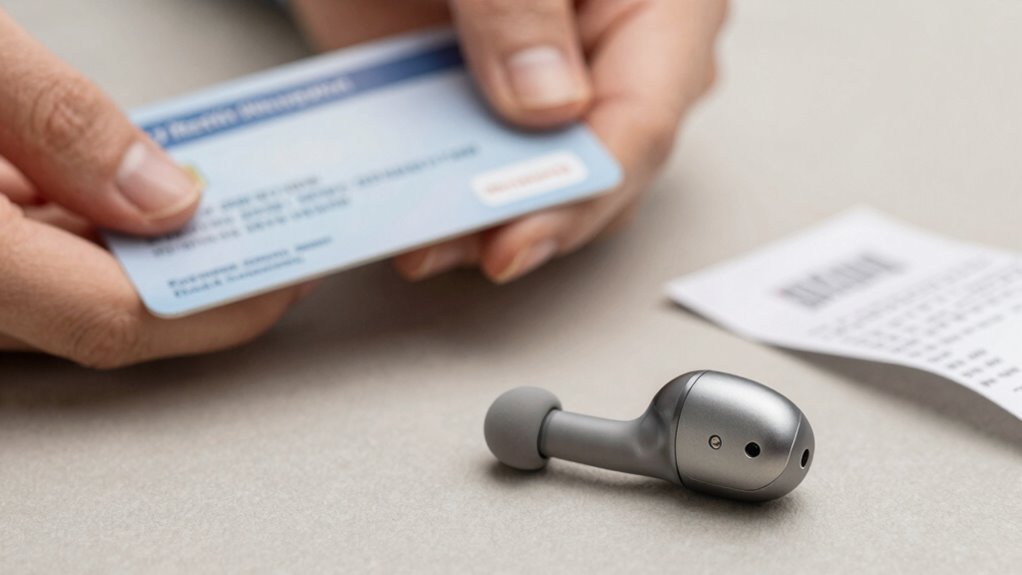
To prove hearing devices qualify as expenses, you need to provide proof of purchase and a medical diagnosis from a healthcare professional. Keep receipts showing the cost and details of the device, and verify you have a note or letter from your doctor confirming the hearing impairment and that the device is medically necessary. This documentation helps validate your HSA or FSA claims for hearing devices.
Conclusion
Now that you know the rules, you can confidently use your HSA or FSA for hearing devices. Did you know that over 48 million Americans experience hearing loss? That’s like filling a packed stadium! With this in mind, leveraging your health accounts can make hearing aids more affordable and accessible. Stay informed, plan ahead, and take advantage of these tax-advantaged options to protect your hearing health and enjoy clearer, sharper sound every day.