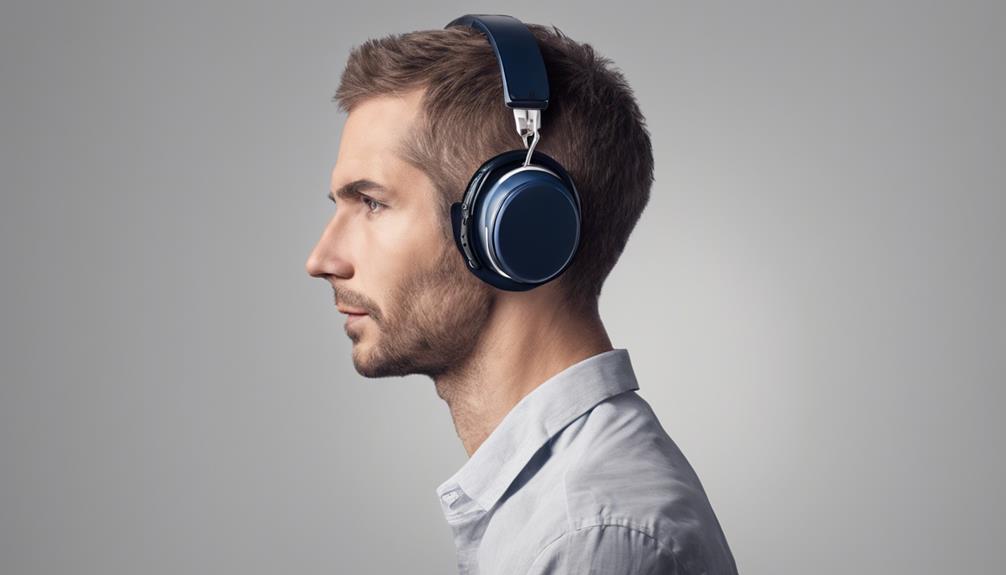

To build more rest into your hearing-loss routine, schedule regular breaks during noisy activities or social events, and use quiet spaces to relax and recover. Incorporate calming activities like deep breathing or quiet time to lower stress and help your ears recover. Set boundaries for sound exposure and choose quieter environments whenever possible. Focus on balance and listen to your body’s signals. If you want practical tips to protect your hearing and reduce fatigue, continue exploring.

Get everyday helpers delivered free — and shop member deals
- Fast, free delivery on millions of items
- Access to Prime Big Deal Days deals on October 6–7
- Prime Video, Amazon Music and more included
Key Takeaways
- Schedule regular breaks during noisy activities to give your ears time to recover.
- Incorporate quiet periods into daily routines for auditory rest and stress reduction.
- Use ear protection in loud environments to minimize unnecessary auditory strain.
- Choose calming, low-noise settings for conversations and relaxation.
- Practice deep breathing or relaxation exercises to support overall auditory system recovery.

If you experience hearing loss, incorporating more rest into your daily routine is essential for protecting your hearing health and reducing fatigue. Hearing loss often forces your ears to work harder to process sounds, which can quickly tire you out and impact your overall well-being. To combat this, prioritizing periods of quiet and using ear protection when needed can make a significant difference. Ear protection, such as earplugs or noise-canceling devices, helps limit exposure to loud noises that can further strain your ears, allowing them to recover and reducing the risk of additional damage. Making these protective measures a regular part of your routine is a proactive step toward maintaining your hearing health.
Prioritize quiet moments and use ear protection to preserve hearing health and reduce fatigue.
Alongside ear protection, developing effective communication strategies is vital. When your hearing is compromised, you might find yourself exerting extra effort to understand conversations, which can be exhausting. Instead of struggling through noisy environments, consider ways to minimize auditory fatigue. For instance, choosing quieter settings for discussions, requesting that others speak clearly and face you, or using assistive listening devices can ease the burden on your ears and your mind. These strategies not only improve your comprehension but also help you conserve energy, reducing overall fatigue.
Incorporating rest isn’t just about avoiding loud noises; it’s also about balancing periods of activity with intentional downtime. Schedule regular breaks during social events or workdays where you can step away from noisy environments. Even a few minutes of quiet can give your ears a much-needed respite. During these breaks, avoid loud environments altogether and focus on calming activities, such as relaxing in a quiet space or practicing deep breathing exercises. These moments of rest help lower your stress levels and give your auditory system time to recover. Additionally, understanding the importance of auditory processing can help you better manage your energy levels and protect your hearing health. Recognizing the significance of sound exposure in your daily routine can also motivate you to set boundaries and prioritize your well-being. Being mindful of your overall sound environment can further assist in reducing unnecessary strain on your ears. Incorporating hearing conservation techniques into your daily habits can serve as an extra layer of protection for your hearing. Furthermore, creating a noise management plan tailored to your lifestyle can help you make more informed decisions about when and where to seek quieter settings, ultimately supporting your hearing health.
ear protection earplugs noise-canceling
As an affiliate, we earn on qualifying purchases.
As an affiliate, we earn on qualifying purchases.
Frequently Asked Questions
How Can I Tell if I Need More Rest for My Hearing Health?
You might need more rest if you notice increased ear discomfort, ringing, or fatigue after wearing your hearing aids. Pay attention to signs like ear pain or muffled hearing, which could indicate strain. Regular hearing aid maintenance and understanding your ear anatomy awareness help prevent overload. If you feel persistent tiredness or pressure, it’s a good idea to rest your ears more and consult your audiologist for personalized advice.
Are There Specific Signs of Auditory Fatigue to Watch For?
You’ll notice auditory exhaustion when your ears feel sore, ringing, or overly sensitive after noise exposure. Ironically, ear overuse often sneaks up, leaving you tired without realizing it. Signs of auditory fatigue include difficulty focusing, increased irritability, or a feeling of fullness. If these symptoms persist, it’s a clear sign you need more rest. Listening to your body helps prevent ear overuse and protects your hearing health.
What Are Quick Ways to Rest My Ears During the Day?
To quickly rest your ears during the day, try ear relaxation techniques like gently massaging your ears or taking short breaks from noisy environments. Using noise-canceling solutions, such as headphones or earbuds, helps reduce auditory strain. Find a quiet spot for a few minutes, close your eyes, and focus on breathing deeply. These simple steps can give your ears instant relief and help prevent fatigue from prolonged noise exposure.
Can Certain Environments Worsen Hearing Fatigue?
Yes, certain environments can worsen hearing fatigue. High environmental noise levels and poor acoustic comfort make your ears work harder, leading to quicker exhaustion. Crowded places, noisy restaurants, or open-plan offices often lack sound control, increasing your hearing strain. To protect yourself, seek quieter spots or use noise-canceling devices to improve acoustic comfort. Taking regular breaks in calmer settings helps reduce fatigue and keeps your ears healthier.
How Does Sleep Quality Affect Hearing Recovery?
Sleep quality directly impacts your hearing recovery—poor sleep can increase auditory fatigue and slow healing. Research shows that individuals with good sleep hygiene experience less hearing-related fatigue and recover faster from auditory stress. When you prioritize quality sleep, you give your ears essential rest, helping reduce auditory fatigue. So, maintaining a consistent sleep routine supports your hearing health, allowing your ears to recover and function best.
Conclusion
Remember, protecting your hearing is like tending a delicate garden—you need to give it time to rest and recover. By building in more rest, you’re nurturing your senses and helping them flourish despite the challenges. Think of each quiet moment as a gentle rain nourishing your ears, allowing you to enjoy life’s sounds more fully. Embrace these pauses, and watch your hearing health blossom, giving you the clarity and peace you deserve every day.
Fall Picks
fall essentials
As an affiliate, we earn on qualifying purchases.