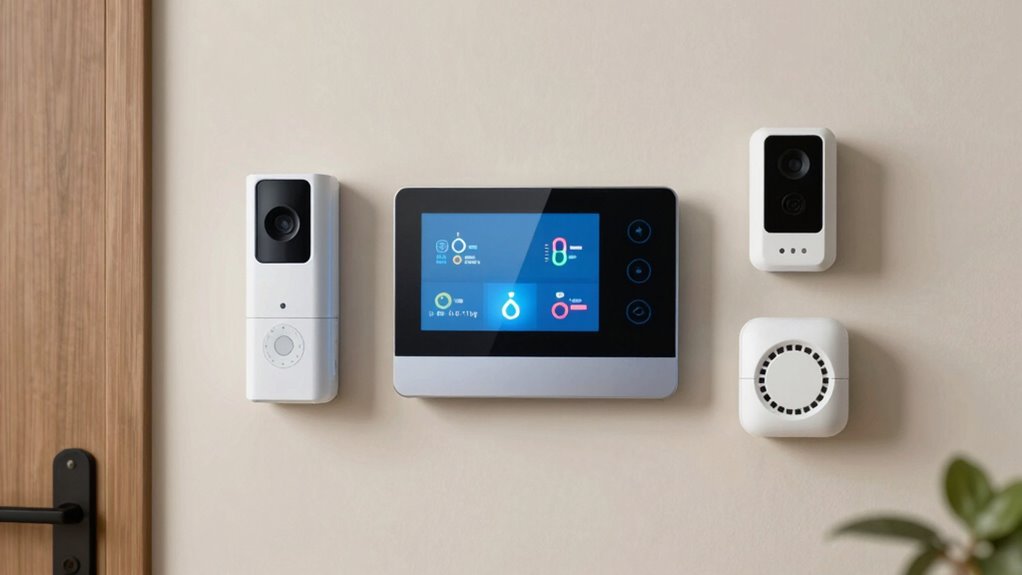

Relying on just one home alert device leaves you vulnerable to missed warnings, false alarms, or system failures that can compromise your safety. Multiple devices create a layered, more reliable system, covering blind spots and ensuring alerts reach you even if one fails. Essential features like wireless connectivity, long-lasting batteries, and smart integration boost effectiveness. Keep exploring to discover how a complete system can keep your home safer and smarter.

Get everyday helpers delivered free — and shop member deals
- Fast, free delivery on millions of items
- Access to Prime Big Deal Days deals on October 6–7
- Prime Video, Amazon Music and more included
Key Takeaways
- Relying on a single device risks missed alerts due to failures or false alarms, compromising overall security.
- Multiple devices create a layered, redundant system that covers blind spots and ensures alerts reach despite malfunctions.
- Whole-home systems with diverse devices provide comprehensive coverage, reducing vulnerabilities and increasing safety during emergencies.
- Integrated alerting setups enable faster responses through instant notifications and automated protocols across devices.
- Proper system configuration, compatibility, and regular maintenance prevent gaps and ensure reliable, continuous protection.
As an affiliate, we earn on qualifying purchases.
Why Relying on Just One Device for Home Alerts Can Leave You Vulnerable
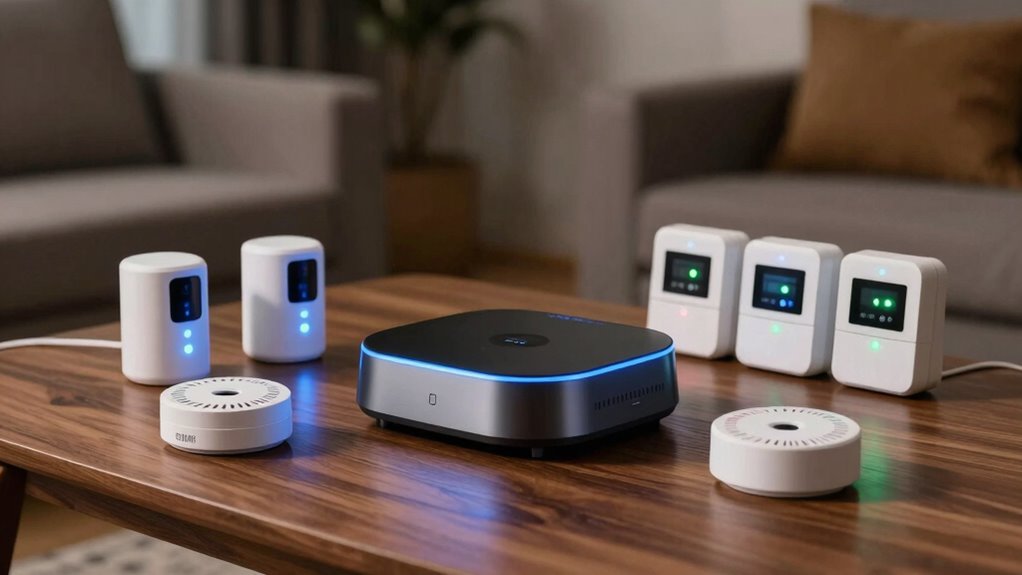
Relying on a single device for home alerts might seem convenient, but it leaves you vulnerable to failures and missed warnings. Single device limitations mean that if the device malfunctions or loses power, you won’t receive vital alerts. False alarms are another risk, as a lone sensor or alarm can be triggered by harmless events, causing unnecessary stress and potentially ignored warnings over time. When you depend on just one device, you reduce your overall security and increase the chance of missing real threats. A single system can’t provide the exhaustive coverage needed for reliable alerts. To stay protected, you need a more resilient setup that minimizes false alarms and guarantees continuous, accurate notifications. Proper system design is essential to ensure comprehensive and dependable home alerting, especially considering the importance of system redundancy for uninterrupted coverage. Implementing multi-layered security further enhances reliability by providing alternative detection methods and backup systems. Additionally, integrating smart home ecosystems can help coordinate alerts across multiple devices for enhanced safety.
The Benefits of Using Multiple Devices for Better Home Security
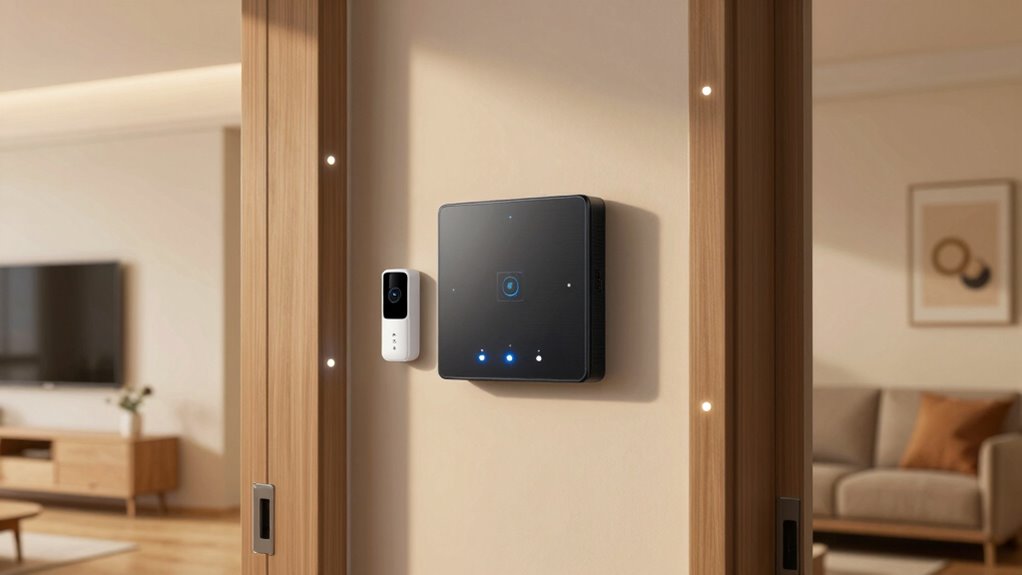
Using multiple devices for home security substantially enhances your overall protection by creating a layered system that covers more areas and potential vulnerabilities. With several devices, you reduce blind spots and guarantee alerts reach you even if one device fails. Here are some benefits:
- Wireless connectivity ensures seamless communication between devices, so alerts are instant and reliable.
- Battery backup keeps devices operational during power outages, maintaining continuous security coverage.
- Multiple devices provide redundancy, so if one fails or is compromised, others still protect your home.
Key Features to Look for in a Whole-Home Alert System
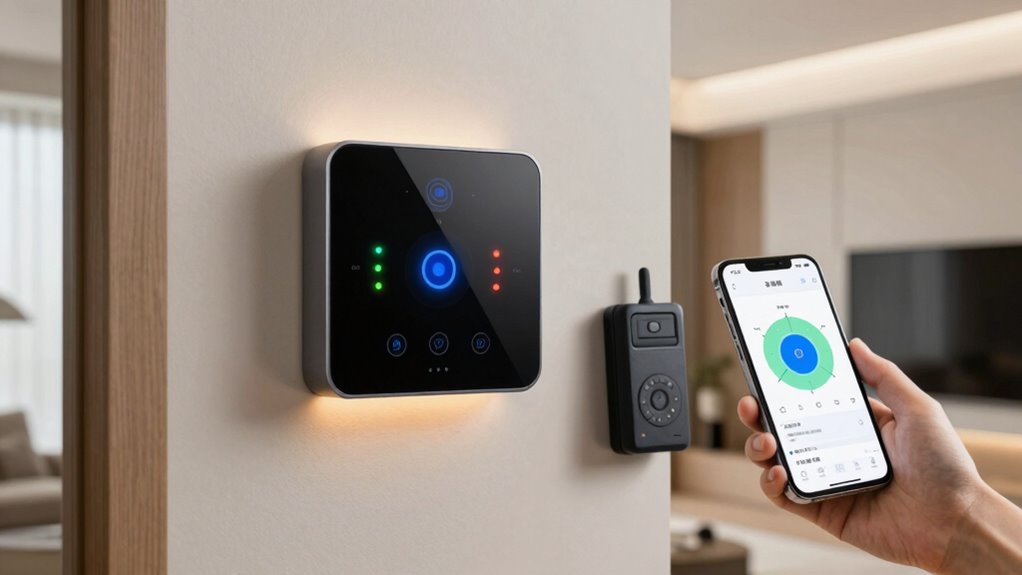
When selecting a whole-home alert system, it’s crucial to concentrate on key features that guarantee dependable and thorough protection. Wireless connectivity is essential, allowing seamless communication between devices without cluttering your home with wires. Look for systems that support reliable, secure wireless protocols to ensure alerts reach you promptly. Battery life is equally important; a system with long-lasting batteries minimizes maintenance and ensures continuous operation during power outages. Opt for alerts with low power consumption and easy-to-replace batteries. These features work together to provide consistent, real-time notifications, giving you peace of mind. Prioritizing wireless connectivity and battery life ensures your alert system remains operational, reliable, and effective in safeguarding your home. Device reliability is also critical, as it directly impacts the system’s overall effectiveness and your confidence in its performance. Additionally, selecting systems with robust communication protocols can prevent false alarms and missed alerts, further enhancing your home’s safety. Ensuring that the system has fault detection features can help identify potential issues before they compromise your security. Incorporating quality components can further improve overall system durability and performance. Furthermore, choosing a system with energy-efficient design can extend battery life and reduce maintenance needs over time.
How Integrated Alert Systems Speed Up Response and Improve Security
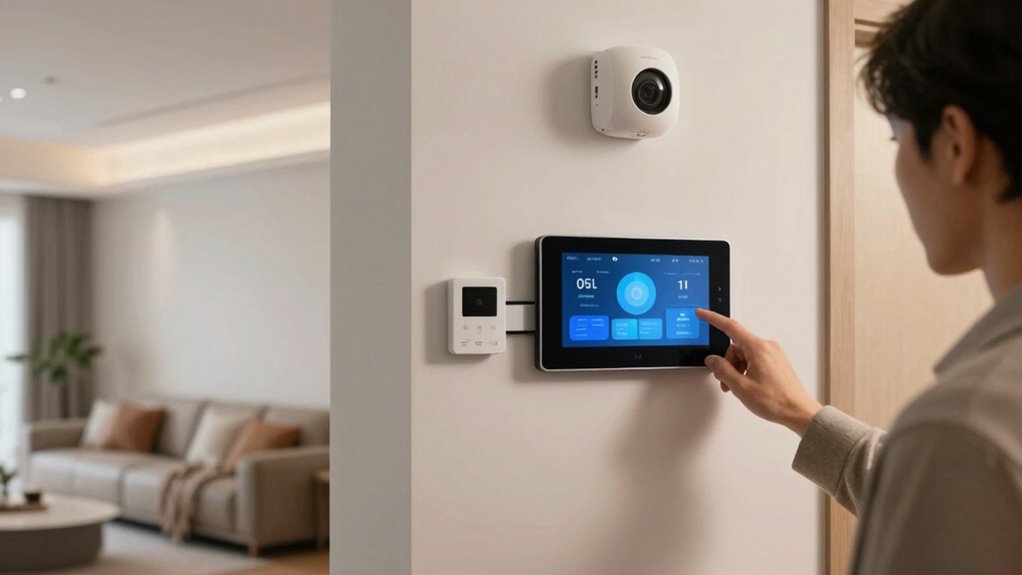
Integrated alert systems accelerate your response time by delivering instant notifications across multiple devices, guaranteeing you’re immediately aware of any issues. This quick communication helps you act faster, minimizing damage or danger. Sensor integration plays a vital role, connecting alarms, cameras, and other devices to create a seamless system that detects threats early. By automating emergency protocols, the system can trigger specific actions—like opening doors or alerting authorities—without delay. Understanding sleep comfort can also help you optimize your environment for better safety and peace of mind. Additionally, incorporating smart-home integrations ensures your alert system works cohesively with other connected devices, enhancing overall security. Regular maintenance and system updates are essential to keep your alert system functioning effectively and to address emerging security challenges. Incorporating simple safety tips into your setup can further improve your preparedness and confidence in emergency situations. Moreover, selecting alert systems compatible with electric bikes and generators can expand your safety options for outdoor and off-grid activities.
Common Mistakes When Setting Up Your Home Alert System: And How to Avoid Them
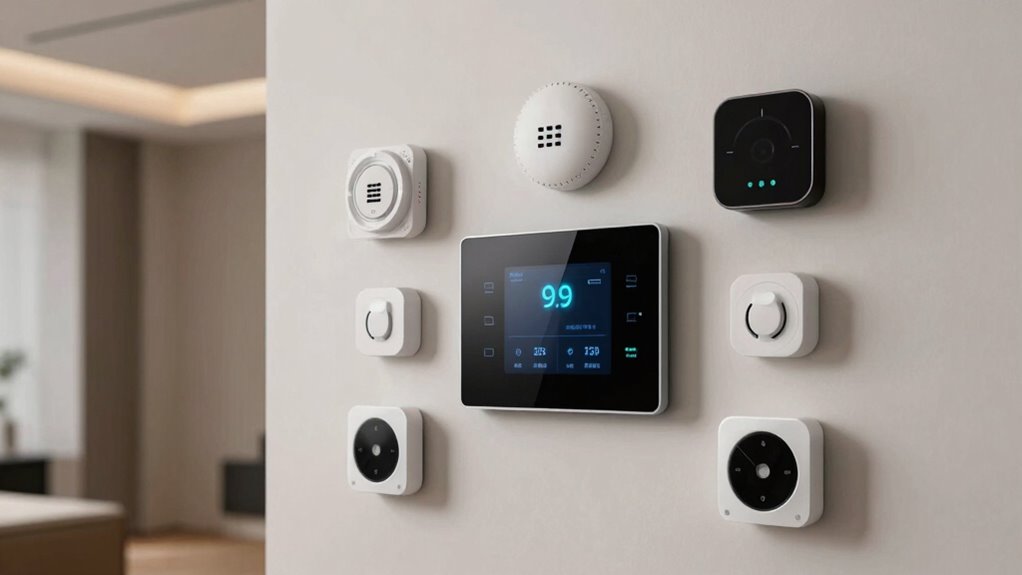
Setting up your home alert system can seem straightforward, but overlooking common mistakes can compromise its effectiveness. One major mistake is ignoring device compatibility; not all devices work seamlessly together, leading to gaps and delayed alerts. Always verify that your sensors, alarms, and hubs are compatible before installation. Another issue is false alarms, which can desensitize you and cause unnecessary panic. To avoid this, configure your system accurately, calibrate sensors properly, and test alerts regularly. Failing to do so might result in missed notifications or false triggers. Additionally, neglecting detailed setup instructions can cause miscommunication between devices. By ensuring compatibility and preventing false alarms through proper configuration, you create a reliable, effective home alert system that keeps your family safe. Proper device security measures are also essential to protect your system from hacking attempts and preserve its integrity. Incorporating local automation features can further improve system reliability and responsiveness in emergency situations. Ensuring your system is regularly updated and maintained can also prevent potential malfunctions and security vulnerabilities. Moreover, understanding the importance of system integration helps to ensure all components work harmoniously for comprehensive safety coverage. Recognizing the role of technology private placement investments can also help you select the best solutions to enhance your system’s capabilities.
Choosing the Right Whole-Home Alert System for Your Home and Family

Choosing the right whole-home alert system starts with understanding your specific needs and the layout of your house. Consider how you want to integrate the system with your existing home automation setup to streamline alerts and responses. To guarantee your family’s safety and improve emergency preparedness, focus on these key factors:
- Coverage Area: Make sure the system covers every critical zone in your home, including bedrooms, living areas, and outdoor spaces. Ensuring comprehensive system coverage helps prevent missed alerts during emergencies.
- Alert Types: Choose devices that offer multiple alert options like sound, light, and mobile notifications for different emergencies.
- Compatibility: Opt for systems compatible with your current home automation devices, allowing seamless integration and centralized control.
- Multiple Devices: Relying on multiple alerting devices ensures comprehensive coverage and reduces the chance of missed alerts during emergencies.
Selecting the right system enhances your safety, making emergency responses faster and more effective.
Frequently Asked Questions
Can a Whole-Home Alert System Integrate With Existing Smart Home Devices?
Yes, a whole-home alert system can integrate with your existing smart home devices. You’ll want to check the system’s smart home integration and device compatibility features to guarantee seamless operation. Many alert systems are compatible with popular platforms like Alexa, Google Home, or Apple HomeKit, allowing you to control alerts and notifications effortlessly through your existing smart home setup. This integration enhances safety and convenience across your entire home.
What Is the Average Cost of Installing a Comprehensive Home Alert System?
The average cost of installing a thorough home alert system ranges from $1,000 to $3,000, depending on the features and size of your home. You should consider cost estimation and installation expenses when planning your security upgrades. Keep in mind that investing in multiple devices increases safety, but it also influences overall costs. By understanding these expenses upfront, you can better budget for a reliable, effective alert system tailored to your needs.
How Often Should I Test My Home Alert Devices for Reliability?
You should test your home alert devices at least once a month to guarantee device maintenance is up-to-date and they’re functioning properly. Regular testing helps you catch any issues early and guarantees reliable alerts when needed. Make sure to follow the manufacturer’s recommended testing frequency, and replace batteries or parts as needed. Consistent testing keeps your whole-home alerting system trustworthy and ready to protect you and your family.
Are There Health Concerns Related to Multiple Alert Devices in One Home?
You might wonder if multiple alert devices cause health impact concerns. Generally, they emit low-level signals, and most studies show minimal risk. However, some people worry about multiple device interference and increased exposure to electromagnetic fields. If you’re concerned, limit the number of devices or keep them at a safe distance. Always follow manufacturer guidelines and consult health experts if you experience any discomfort or have specific health conditions.
What Is the Best Way to Educate Family Members About Using Alert Systems Effectively?
Think of family training as planting seeds for safety; you want everyone to flourish. Start by demonstrating how each alert device works, making it easy for family members to grasp. Use clear, simple language from user manuals, and practice regularly to reinforce learning. Encourage questions and hands-on experience, transforming understanding into instinct. This way, your home becomes a well-oiled safety network, ready to respond at a moment’s notice.
Conclusion
Relying on just one device for home alerts isn’t enough—you’re 3.5 times more likely to miss an emergency. Using multiple interconnected devices guarantees faster responses and better security. Choose a system with key features like real-time alerts and easy integration. Don’t make common mistakes like ignoring placement or testing regularly. With the right setup, you can protect your home and loved ones more effectively, giving you peace of mind every day.
Halloween Picks
halloween
As an affiliate, we earn on qualifying purchases.