
Assistive listening devices help you hear better in various situations by using technology like hearing aids and cochlear implants tailored to your level of hearing loss. Hearing aids amplify sounds for mild to moderate loss, while cochlear implants directly stimulate the auditory nerve for severe loss. Selecting the right device and ensuring proper fitting can improve your hearing clarity and comfort. Keep exploring to discover how these devices can enhance your listening experience even further.

Get everyday helpers delivered free with Prime
- Fast, free delivery on millions of items
- Prime Video, Amazon Music and more included
- Member-only deals all year
Key Takeaways
- Assistive listening devices amplify sound to improve hearing in various environments, aiding those with hearing impairments.
- Types include personal amplifiers, FM systems, infrared systems, and loop systems, each suited for specific settings.
- These devices enhance speech understanding by reducing background noise and distance from sound sources.
- They can be used alongside hearing aids or cochlear implants for comprehensive hearing support.
- Proper selection and fitting are essential for device effectiveness, with ongoing technological advancements improving performance.
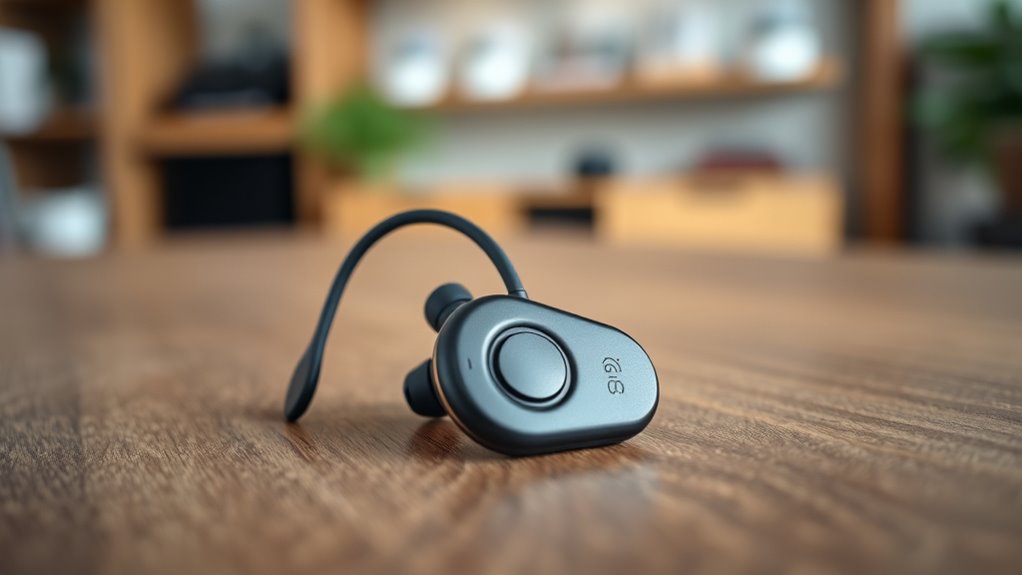
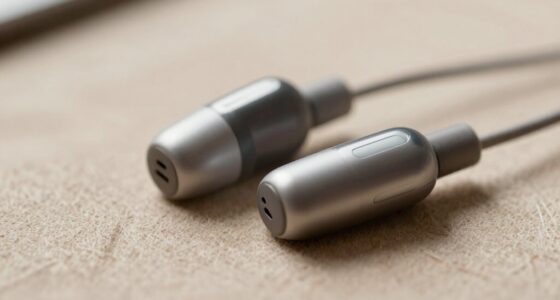
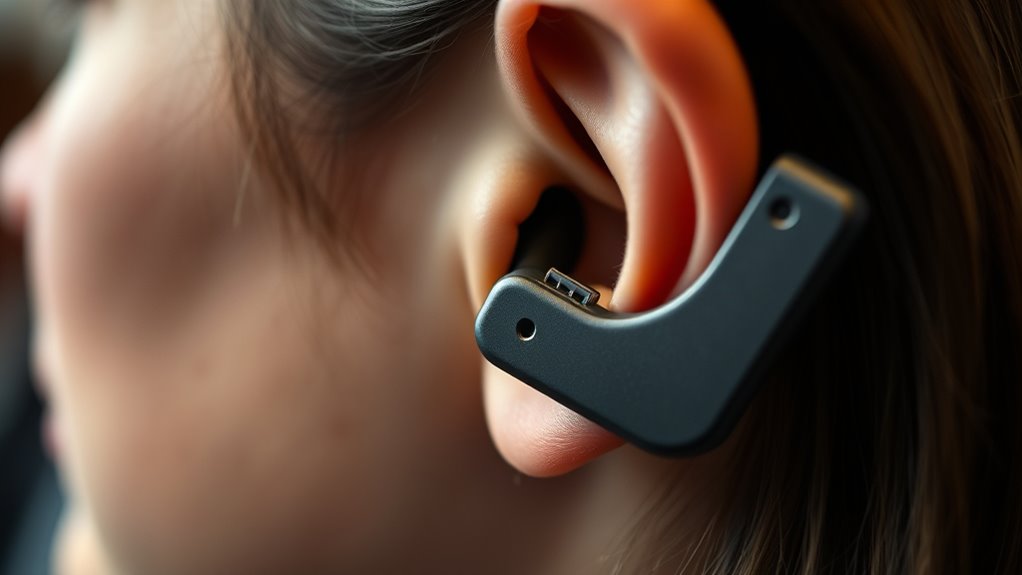
Assistive listening devices (ALDs) are designed to help individuals with hearing difficulties better understand sounds and speech in various environments. Whether you’re at a noisy restaurant, attending a lecture, or participating in a group conversation, ALDs can substantially improve your ability to hear clearly. One of the most common solutions is hearing aids, which come in various types to suit different needs. Behind-the-ear (BTE) models are popular for their durability and power, while in-the-ear (ITE) devices offer a discreet option. Receiver-in-the-ear (RITE) hearing aids combine features of both, delivering sound directly into your ear canal for better clarity. These hearing aids amplify sounds and are often customizable with different settings to optimize hearing in specific environments.
For individuals with severe to profound hearing loss, cochlear implants offer a more advanced alternative. Unlike hearing aids, which amplify sound, cochlear implants work by directly stimulating the auditory nerve, bypassing damaged parts of the ear. If you qualify for a cochlear implant, you’ll undergo surgery to implant a small device under your skin behind the ear. This device picks up sound from your environment via an external microphone and processes it into electrical signals that your brain interprets as sound. Cochlear implants can restore a sense of hearing for those who don’t benefit enough from traditional hearing aids, making conversations and environmental sounds more accessible.
While hearing aid types are primarily suitable for mild to moderate hearing loss, cochlear implants are typically reserved for more severe cases. The choice between them depends on the level of hearing loss, your lifestyle, and medical assessments. Some people benefit from a combination of both, using hearing aids in one ear and cochlear implants in the other, especially if their hearing loss varies between ears. Regardless of which device you use, proper fitting and regular adjustments are essential to maximizing your hearing potential. Additionally, ongoing research into assistive listening technology continues to improve these devices’ effectiveness and user comfort.
personal amplifiers for hearing assistance
As an affiliate, we earn on qualifying purchases.
As an affiliate, we earn on qualifying purchases.
Frequently Asked Questions
Are Assistive Listening Devices Covered by Insurance?
Yes, insurance coverage for assistive listening devices varies, but many plans do offer some device reimbursement. You should check with your insurance provider to see if they cover specific devices, like hearing aids or FM systems. Often, you need a prescription or documentation from your healthcare provider. Keep in mind, coverage levels differ, so it’s best to confirm what’s included and if any out-of-pocket costs apply.
How Do I Choose the Right Device for My Needs?
You should start by considering your specific needs, as studies show that personalized devices improve satisfaction by 80%. Focus on device features like compatibility, size, and ease of use, then match them to your preferences for comfort and functionality. Test different options if possible, and consult with an audiologist. This way, you’ll find a device that fits seamlessly into your life and enhances your hearing experience.
Can Assistive Listening Devices Be Used Outdoors?
Yes, you can use assistive listening devices outdoors, but you’ll want models with outdoor durability and weather resistance. Look for devices specifically designed to withstand elements like rain, wind, and dust. Many modern devices feature rugged casings and water-resistant features, making them suitable for outdoor use. Always check the manufacturer’s specifications to guarantee your device can handle outdoor conditions, so you enjoy clear sound no matter where you are.
What Is the Average Cost of These Devices?
You’re curious about the cost of these devices, and the answer might surprise you. Hearing aid prices typically range from $1,000 to $3,000 per device, but affordability varies depending on features and technology. While some advanced models can seem pricey, many options are designed to fit different budgets, making device affordability achievable for most. Don’t let cost hold you back—explore your options for effective hearing solutions today.
Are Assistive Listening Devices Compatible With Smartphones?
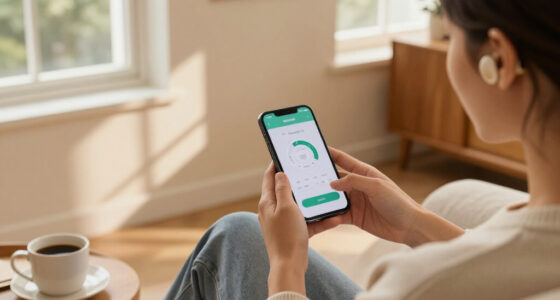
Yes, many assistive listening devices are compatible with smartphones through wireless connectivity. You can connect your device via Bluetooth or other wireless methods, making it easy to stream audio directly from your phone. This smartphone compatibility allows you to enjoy clearer sound during calls, media, or notifications. Just guarantee your device supports wireless connectivity features and check compatibility with your specific smartphone model for seamless use.
Conclusion
Now that you know the ins and outs of assistive listening devices, you’re better equipped to find the right solution for your needs. These tools can truly turn the volume up on your quality of life, helping you stay connected and engaged. Remember, it’s not just about hearing better but about opening new doors and seizing opportunities. With the right device, you’ll be able to navigate conversations and environments with confidence—your path to clearer hearing is within reach.
Halloween Picks
halloween
As an affiliate, we earn on qualifying purchases.