
TL;DR

Get everyday helpers delivered free — and shop member deals
- Fast, free delivery on millions of items
- Access to Prime Big Deal Days deals on October 6–7
- Prime Video, Amazon Music and more included
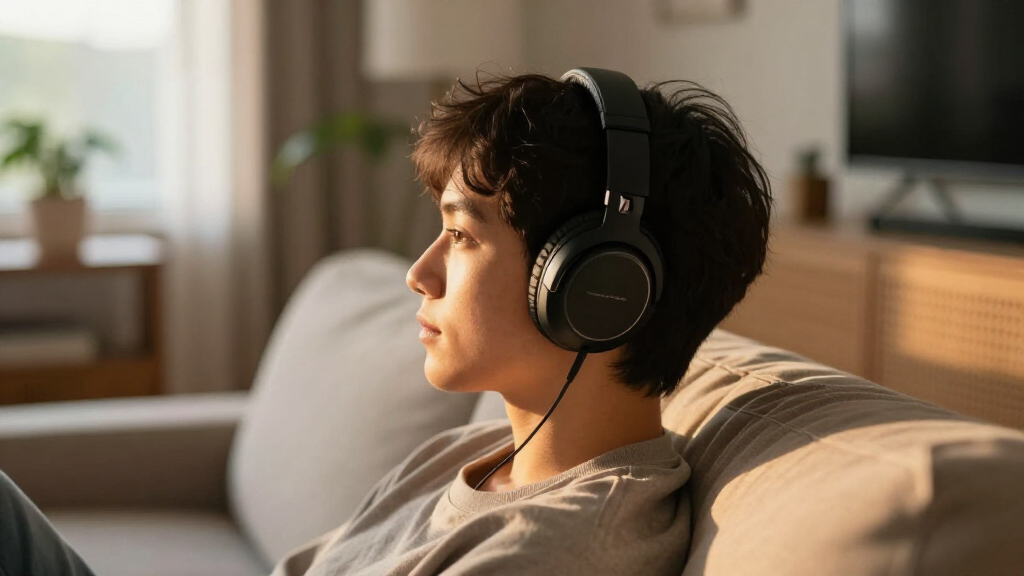
The best over-ear headphones for sensory sensitivity prioritize comfort and gentle noise reduction over raw sound quality. Features like lightweight design, soft ear pads, and adjustable noise cancellation help minimize sensory overload while maintaining sound control.
If you experience sensory overload, traditional headphones often feel like a double-edged sword. They can drown out overwhelming noise, but many designs cause discomfort or add to sensory triggers. Finding the right pair is about more than just sound—it’s about feeling good while keeping noise at bay.
In this guide, you’ll learn how to pick over-ear headphones that prioritize comfort, minimize pressure, and deliver gentle noise control. Whether you’re autistic, sensitive to loud sounds, or just hate tight headbands, this will help you make a smart choice that feels like a breath of fresh air.
Comfort, especially lightweight design and soft ear pads, is more important than sound quality for sensory-sensitive users.
Passive isolation often feels more natural and less pressure-inducing than ANC for many people.
Adjustable ANC levels and transparency modes help balance noise reduction with sensory comfort.
A balanced, warm sound profile reduces fatigue and makes listening more tolerable.
Prioritize trying on headphones with your glasses and test for heat buildup or pinching before buying.
Why Comfort Comes First — How to Pick Headphones That Won’t Make You Miserable
Comfort is the top priority for sensory-sensitive users. When headphones feel tight or clamp too hard, they can cause headaches, soreness, or even sensory overload by adding physical discomfort. Choosing headbands that fit snugly without pressure, and soft, breathable ear pads, helps your ears relax and reduces the risk of irritation. This balance is crucial because discomfort can amplify sensory triggers, making listening even more stressful.
For example, velour ear pads not only feel softer but also allow heat and moisture to escape, preventing sweat and itchiness. Weighing less than 250 grams reduces the physical burden, enabling longer wear without fatigue. For glasses wearers, models with spacious ear cups prevent pinching, which can be a major source of discomfort. The tradeoff here is that lighter headphones sometimes have fewer passive noise-isolating features, but prioritizing comfort often outweighs this for sensitive users because physical discomfort directly impacts sensory tolerance.
Imagine spending hours in headphones that feel like a gentle hug versus ones that press painfully—your experience depends heavily on these design choices. Prioritizing comfort means less physical stress, which allows your sensory system to relax and makes extended listening more manageable.
over-ear headphones for sensory sensitivity
As an affiliate, we earn on qualifying purchases.
As an affiliate, we earn on qualifying purchases.
Passive Isolation vs. Active Noise Cancellation — Which Is Better for Sensitive Ears?
Passive isolation involves physical barriers like thick padding and sealing around the ears that block sound naturally. This method tends to be gentler because it doesn’t create additional sensations of pressure. It’s especially beneficial for sensitive ears because it avoids the artificial forces or pressures that ANC can sometimes produce. For instance, well-designed passive isolation can effectively reduce ambient noise without the need for electronics, thus eliminating the risk of pressure buildup or dizziness caused by active systems.
Active Noise Cancellation (ANC) uses microphones to detect background sounds and generate anti-noise signals to cancel them out. While effective at reducing low-frequency noise, ANC can sometimes cause sensations of pressure, akin to ear squeezing, or even dizziness in sensitive users. The tradeoff is that ANC offers more control over noise reduction, which can be crucial in loud environments, but at the potential cost of discomfort.
Choosing between the two depends on your sensitivity threshold. Some users prefer the natural, pressure-free feel of passive isolation, which often feels more comfortable over long periods. Others may tolerate adjustable ANC levels, which allow you to find a balance between noise reduction and comfort. Ultimately, understanding that each method has implications for sensory comfort helps you make an informed decision that aligns with your needs.
How Sound Signature Affects Sensory Comfort — Keep Fatigue at Bay
Sound profiles can significantly influence comfort, especially for sensitive ears. Harsh highs, piercing sibilance, or boomy bass can lead to listening fatigue, making it difficult to wear headphones for extended periods. These exaggerated frequencies can cause sensory overload, leading to discomfort or even pain. Conversely, a smooth, warm, and neutral sound profile tends to be more calming because it reduces the strain on your auditory system.
For example, a balanced sound like that of the Sennheiser Momentum 4 provides clarity without being aggressive, helping prevent fatigue. Many headphones now include app-based EQ settings, allowing you to customize the sound to your preferences. This customization is crucial because it enables you to tailor the listening experience, reducing the likelihood of sensory overload from overly bright or exaggerated sounds. The tradeoff is that some users might prefer a flat, uncolored sound for authenticity, but for sensory comfort, a warm, rounded profile often proves more sustainable.
Adjustable sound profiles enhance accessibility because they empower you to find the most soothing setting, helping you avoid fatigue and maintain a comfortable listening experience over time.
Features That Make a Difference — What to Look for in Headphones for Sensory Sensitivity
Practical features can greatly influence comfort and usability. Adjustable noise cancellation allows you to fine-tune the environment, reducing overwhelm without feeling oppressive. Gentle clamping force and soft, plush ear pads prevent pinching and heat buildup, which are common sources of discomfort for sensitive users. Transparency modes are particularly helpful—they let you stay aware of your surroundings without removing your headphones, reducing the sensory gap and helping you feel more in control.
Battery life is another key factor; longer-lasting models mean fewer interruptions for charging, which can be disruptive or stressful. Some headphones offer multiple ANC levels, giving you the flexibility to dial down the pressure when needed. Wired options, while less common today, are still valuable for those who prefer a stable, cable-connected experience—no battery issues, and often a more secure fit.
Volume-limiting features are especially important for children or those prone to ear fatigue, as they help prevent listening at unsafe levels. Following WHO safe listening limits (85 dB for extended periods) is a good rule of thumb. The tradeoff here is balancing features with simplicity; overly complicated controls can be overwhelming, so look for intuitive interfaces that make adjustments straightforward.
Frequently Asked Questions
Are noise-cancelling headphones good for autism or sensory processing disorder?
Yes, many people with sensory sensitivities find ANC headphones helpful for reducing overwhelming background noise. However, it’s important to choose models with adjustable ANC or passive options to avoid pressure sensations that some find uncomfortable.Why do some noise-cancelling headphones feel like they’re squeezing my ears or head?
This sensation often comes from the clamp force or strong ANC pressure. Look for lightweight, soft-padding models with adjustable ANC levels or passive designs to minimize discomfort. Recognizing that excessive pressure can trigger sensory overload helps you select options that balance noise reduction with physical comfort.Can noise-cancelling headphones block out trigger sounds like chewing or pen clicking?
ANC is most effective against low-frequency drones like engine noise. Trigger sounds like chewing or clicking are high-frequency and often require passive isolation or specialized ear protection. Combining both approaches—using headphones with good passive sealing and possibly custom earplugs—can help mitigate these specific triggers more effectively.Are wired headphones better for sensory comfort?
Wired options eliminate battery concerns and often have a more consistent fit because they lack wireless components that can add bulk or tension. They can be a good choice if wireless models cause discomfort or if you prefer a simpler, no-fuss design that minimizes potential sources of sensory irritation.How do I know if headphones are safe for my child?
Look for volume-limiting features that cap sound at 85 dB, which is considered safe for extended listening. Choose lightweight, well-fitting models designed for children, and always supervise volume levels and listening duration to prevent ear damage or discomfort. Ensuring the headphones are comfortable and appropriate for a child’s head size helps promote safe, enjoyable listening experiences.Conclusion
Choosing headphones for sensory sensitivity isn’t about finding the loudest noise-cancelling model. It’s about feeling good—light, comfortable, and in control. Your ideal pair should feel like a calming hug, not a constricting grip.
Remember, comfort and gentle noise control are your best allies. Trust your body’s signals, try different designs, and let your ears guide you to the right choice. After all, headphones are your tool for peace, not pain.
Fall Picks
fall essentials
As an affiliate, we earn on qualifying purchases.