TL;DR
A maker is testing a used Redmi phone as the core of a project that needs a camera, GPS, storage and a controller for lights. The maker’s November 2026 parts comparison puts the phone at ¥300–500, versus about ¥1,483 for a basic Raspberry Pi setup and about ¥2,317 with more features. The comparison is an individual project estimate, not a completed performance test or a bulk-supply assessment.
A maker is testing a used Redmi smartphone as the main computer for a project requiring a high-resolution camera, GPS, storage and control of lights, reporting that the phone could cost far less than an equivalent Raspberry Pi build. The comparison is based on illustrative November 2026 listings and early testing; it does not establish that the phone matches the Pi setup in performance or suitability for every installation.

Get everyday helpers delivered free with Prime
- Fast, free delivery on millions of items
- Prime Video, Amazon Music and more included
- Member-only deals all year
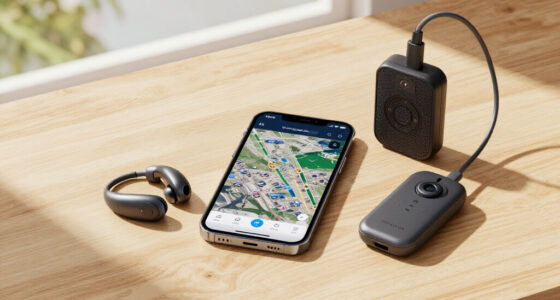
The maker says a used Redmi 13C 5G and Huawei Mate 30 5G can be found second hand on Taobao for about ¥300–500, or roughly £33–56, €40–67 or $45–75 at the exchange rates used in the report. The Redmi saves 50-megapixel JPEG images, while the Mate 30 has a 40-megapixel main camera and a telephoto lens. Both phones already include GPS, storage, a clock, a battery, mobile data and a touchscreen.
In the maker’s parts comparison, a Raspberry Pi 4 with 4GB of memory costs about ¥880. Adding an Arducam 64MP camera, a GPS module and a 64GB microSD card brings the listed core total to about ¥1,483. A more equipped version, with a real-time clock, battery backup, five-inch touchscreen and 4G HAT with GPS, is estimated at ¥2,317, plus batteries. The phone’s USB-C connection is intended to link it to a custom circuit board for the lights and other sensors.
The maker reports having unlocked and rooted the Redmi, tested its camera and arranged for it to sleep and wake on a schedule. The Huawei is harder to root, according to the report, though a kiosk app can still run on it. A side-by-side camera test using the Redmi and Arducam is planned; the maker cautions that a stated megapixel count alone does not show how much detail a camera captures.
When a Phone Replaces Several Parts
The comparison matters to makers and installation teams because a smartphone bundles components that a single-board computer project may otherwise need to buy separately. If an available used phone can do the required computing and camera work, it could reduce the number of components and the upfront parts bill. It also comes with a screen, battery and cellular connection, which could be useful for a device intended to run away from a local network.
The report also points to a possible use in digital art and installations. The maker imagines sending a configured phone to a client to connect to a display, then maintaining it remotely over mobile data. That is a proposed application, not a demonstrated deployment. Compatibility, support needs and the condition of used devices could affect whether the approach works reliably beyond an individual prototype.
Products Worth Considering

Logitech MX Keys S Combo Wireless Keyboard and Mouse, Graphite

Amazon Kindle Scribe (32GB) with Premium Pen, Tungsten (Like-New)
Bose SoundLink Max Portable Bluetooth Speaker, IP67 Waterproof and Dustproof, Up to 20 Hours of Battery Life, Black
As an affiliate, we earn on qualifying purchases.
How the Cost Comparison Was Built
The maker began by designing PCB adapters around a Raspberry Pi, an Arducam 64MP camera and a GPS module for a project involving lights and sensors. As parts added to the build, the expected cost grew, prompting a comparison with two phones already available to the maker: the Redmi 13C 5G and Huawei Mate 30 5G. The report also says the maker is trying an ESP32-P4 board, which is due to be covered separately.
The listed figures are illustrative prices from November 2026, converted using mid-market exchange rates from 10 November and rounded. The fuller Pi estimate uses the cellular HAT’s GPS instead of adding a separate GPS HAT; that modem is 4G, while the phones are 5G models. Neither estimate includes the custom light-controller board, a SIM or data plan, or an enclosure. The report therefore compares selected parts, not a complete, ready-to-install system.
Camera Tests and Phone Supply
The comparison has not yet established whether the phone cameras produce image detail comparable to the Arducam in the intended setup. The maker says a side-by-side test is planned, and no results are reported. It is also unclear how reliably the phones would operate with the light-controller board and other sensors over extended use.
Supply is another open issue. The maker says finding two suitable used phones is easy, but sourcing a few hundred matching units with healthy batteries and consistent camera behaviour would require more work. The report does not provide a bulk price, reliability data, or a tested plan for long-term maintenance. The listed totals also omit several project costs, so they should not be read as final system prices.
Planned Camera and Hardware Tests
The next reported step is a side-by-side test of the Redmi and Arducam using the same target, to compare the detail each camera captures. The maker also plans to share more about the wider project and the ESP32-P4 trial. No timetable or test results have been provided.
Further testing would need to show how the phone connects to the custom controller and performs during scheduled operation, as well as whether used devices can be sourced consistently. Until those results are available, the phone remains a promising option in one maker’s build, rather than a verified replacement for Raspberry Pi systems generally.
Key Questions
How much does the used-phone option cost?
The report estimates ¥300–500 for a used Redmi 13C 5G or Huawei Mate 30 5G on Taobao, with approximate conversions of £33–56, €40–67 or $45–75. These are illustrative November 2026 listings, not a guaranteed price or a bulk quote.
How does that compare with the Raspberry Pi parts list?
The maker estimates about ¥1,483 for a Pi 4, camera, GPS and microSD card, and about ¥2,317 for a more fully equipped version, plus batteries. The estimates exclude the custom controller board, SIM or data plan, and enclosure.
Has the phone camera been shown to match the Arducam?
No. The maker says a side-by-side comparison using the same target is planned. The report gives camera resolutions but does not provide results showing how much detail either camera captures.
What could make the phone approach difficult to scale?
The maker identifies the challenge of finding many matching used phones with healthy batteries and predictable camera behaviour. The report does not yet give bulk-supply costs or long-term reliability results.
Source: so.long.thanks.fish