
To reduce sound overload daily, use noise-canceling headphones during busy times or noisy environments to block out distractions. Establish quiet routines to give your mind a break, like meditation or reading in silence. Modify your environment with soft furnishings and heavy curtains to absorb noise. Be mindful of your surroundings and choose quieter routes or times outdoors. Combining these strategies helps manage noise exposure effectively—continue exploring ways to protect your mental space and stay centered.

Get everyday helpers delivered free — and shop member deals
- Fast, free delivery on millions of items
- Access to Prime Big Deal Days deals on October 6–7
- Prime Video, Amazon Music and more included
Key Takeaways
- Use noise-canceling headphones during noisy activities to block out external sounds effectively.
- Create quiet routines by dedicating time for silence or low-noise activities daily.
- Modify your environment with soft furnishings, heavy curtains, and soundproofing to minimize noise infiltration.
- Practice mindful awareness of soundscapes, choosing quieter routes and times outdoors when possible.
- Layer sound control methods, combining environment adjustments with personal tools like headphones for better noise management.
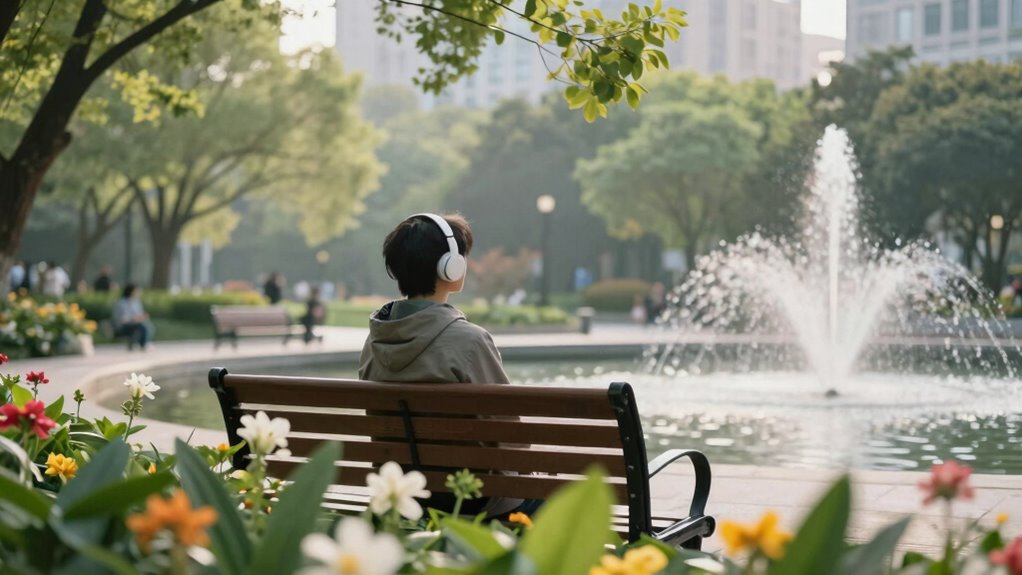
In today’s fast-paced world, noise pollution can quickly become overwhelming, making it essential to find ways to reduce sound overload in daily life. One effective method is investing in noise canceling headphones. These headphones create a barrier against background noise, allowing you to focus better, relax, or simply enjoy some peace amidst chaos. When you’re commuting, working, or even relaxing at home, noise canceling headphones can help you regain control over your environment. They’re especially useful if you work in noisy settings or live in busy neighborhoods, where external sounds often intrude on your quiet moments. By blocking out distractions, these headphones support your mental well-being and improve your concentration, making your daily routine more manageable.
In addition to using noise canceling headphones, establishing quiet time routines can significantly reduce sound overload. Setting aside specific periods during your day dedicated solely to silence or low-noise activities helps reset your mental state. Whether it’s in the morning before starting your day, during lunch breaks, or before bed, these routines give you a chance to disconnect from the constant hum of everyday life. During quiet time, you can read, meditate, or simply sit in silence, allowing your brain to rest from sensory overload. Over time, these routines help you become more aware of your noise thresholds and teach you to protect your mental space. Creating a dedicated quiet space at home, free from electronic devices and loud sounds, enhances the effectiveness of these routines, making it easier to find calm amid the chaos. Incorporating biodiversity-friendly environments can also contribute to a more peaceful and natural soundscape, further reducing external noise pollution. Additionally, being mindful of your surroundings and how they influence your noise levels can empower you to make more conscious choices about your environment. Developing an understanding of soundscapes in different settings can help you better manage noise levels and reduce overload. Moreover, understanding the impact of urban noise and its sources can motivate you to seek quieter areas or advocate for sound management in your community.
You should also be mindful of your environment throughout the day. Simple steps like closing windows, using heavy curtains, or adding soft furnishings can absorb sound and make your space feel quieter. When you’re outside, choose quieter routes or times to avoid loud crowds and traffic. Incorporating quiet time routines isn’t about avoiding noise altogether but managing your exposure so it doesn’t become overwhelming. Combining this approach with tools like noise canceling headphones ensures you have multiple layers of sound control, tailored to your needs. Remember, protecting your mental health from sound overload isn’t a one-time effort but a continuous process that involves creating habits and environments conducive to calm and focus. By taking these steps, you regain control over your daily soundscape, helping you stay more centered and less stressed.
noise-canceling headphones for noise reduction
As an affiliate, we earn on qualifying purchases.
As an affiliate, we earn on qualifying purchases.
Frequently Asked Questions
Can Sound Overload Affect Mental Health Long-Term?
Yes, sound overload can impact your long-term mental health. Constant exposure to loud or overwhelming noise strains your auditory processing, leading to increased stress and anxiety. Over time, this can cause mental fatigue, irritability, and difficulty concentrating. If you don’t manage sound overload, it may contribute to more serious mental health issues. Protecting your ears and creating quiet environments helps support your mental well-being and keeps your auditory processing healthy.
Are There Specific Foods That Help Reduce Sound Sensitivity?
Ever wonder if certain foods can help with sound sensitivity? You can try diet adjustments like incorporating magnesium-rich foods such as nuts, seeds, and leafy greens, which may help calm your nervous system. Nutritional supplements like omega-3 fatty acids and B vitamins might also support nerve health and reduce sensitivity. Are you ready to make small dietary changes that could make a big difference in managing sound overload?
How Does Sound Overload Impact Children Differently?
Sound overload impacts children differently because it can interfere with their child auditory development and exacerbate sensory processing differences. You might notice that some kids become overwhelmed or anxious in noisy environments, struggling to focus or communicate. This heightened sensitivity can lead to frustration or withdrawal. Being aware of these effects helps you support their needs, creating quieter spaces and using calming strategies to help them manage sensory overload more effectively.
Can Certain Medications Increase Sound Sensitivity?
Certain medications can indeed turn your sensory processing into a storm, increasing sound sensitivity as a side effect. Think of medication side effects as a sudden gust that amplifies the noise around you, making everyday sounds feel overwhelming. If you notice heightened sensitivity after starting a new drug, consult your doctor. They might adjust your dose or suggest alternatives, helping you regain control over your sensory experiences and reduce sound overload.
What Are the Best Portable Devices for Sound Masking?
You should consider portable sound machines and noise-canceling earbuds for effective sound masking. Portable sound machines generate soothing white noise or nature sounds, helping you drown out distracting background noise. Noise-canceling earbuds actively block external sounds, providing a personalized quiet environment. Both options are compact and easy to carry, making them ideal for on-the-go use. Choose based on your preference for ambient sounds or active noise reduction for maximum comfort.
Conclusion
By taking proactive steps to minimize noise and create quiet moments, you can protect your well-being and restore balance to your day. Remember, “Silence is sometimes the best answer,” especially when sounds become overwhelming. Prioritize your mental health by setting boundaries with noisy environments, using noise-canceling tools, and carving out peaceful spaces. Embrace these habits, and you’ll find that a calmer, more focused life is well within reach, even amid daily chaos.
Evergreen bestsellers Picks
bestsellers
As an affiliate, we earn on qualifying purchases.