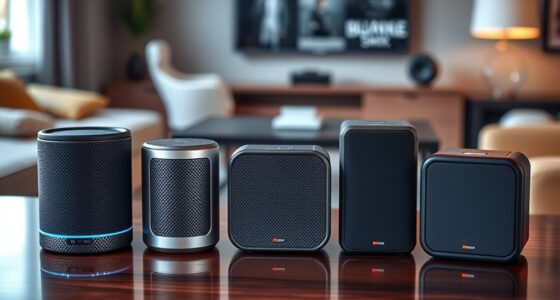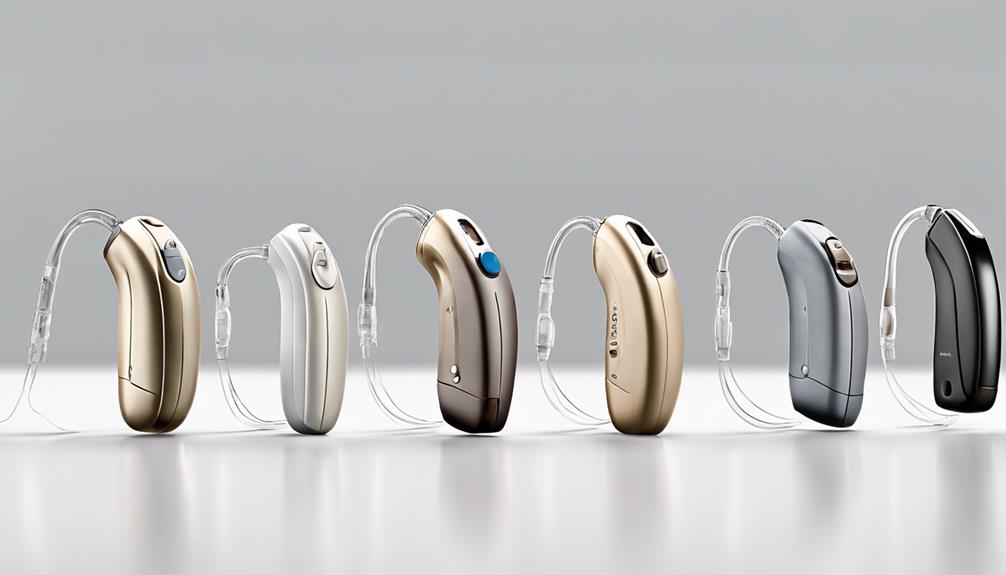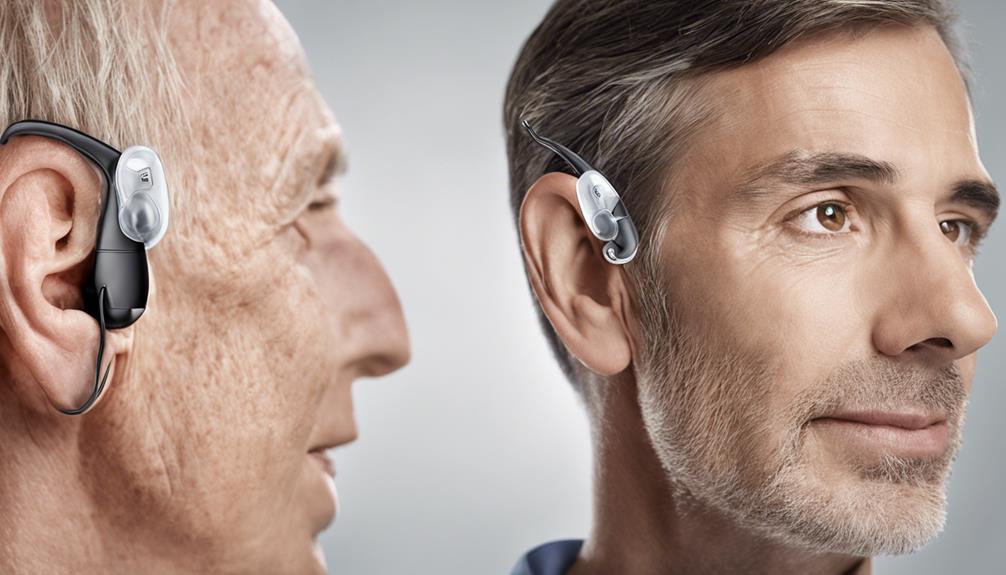

For churches comparing assistive listening devices, I’d put the Avantree AuraPlex MX first for congregations seeking an Auracast-based option, while the Venucast AuraPlex M3 is another Auracast system to compare and the EXMAX package stands out for its included two transmitters and 18 receivers. The right choice depends on whether you need a simple listening feed, multiple channels, or interpretation support, as well as how many people may use receivers at once. Newer Auracast options differ from FM and multi-channel systems in compatibility and setup, so the transmitter standard matters as much as receiver count. Larger receiver bundles can suit busy services, while a smaller system may be easier to manage for a small congregation. Read on for a ranked breakdown of the tradeoffs and a guide to choosing assisted hearing options for your church.

Get everyday helpers delivered free with Prime
- Fast, free delivery on millions of items
- Prime Video, Amazon Music and more included
- Member-only deals all year
Key Takeaways
- The two AuraPlex models make Auracast the clearest modern-system comparison in this group, but buyers should check that congregants’ hearing devices or receivers support the broadcast standard they plan to use.
- EXMAX is the standout for a ready-made larger bundle, with two transmitters and 18 receivers; its scale may be unnecessary for a small congregation.
- The Audiplex M3, TT106S, and TT119 listings point toward multi-channel or translation-focused use, making channel management and volunteer training part of the purchase decision.
- The TR503 and T130 are listed as one-transmitter, 10-receiver packages, a more contained starting point for churches that need a defined set of listening units.
- The 4-Person system is the most limited by its stated capacity, but its ADA plaque and three-year warranty may suit a church prioritizing a small, clearly signposted assisted-listening setup.
| Avantree AuraPlex MX – Auracast Assistive Listening Devices for Churches |  | Best Overall for Auracast-Ready Churches | System type: Assistive listening system | Wireless standards: Auracast, Bluetooth LE Audio | Stated range: Up to 328 ft | VIEW ON AMAZON | See Our Full Breakdown |
| Venucast AuraPlex M3 Auracast Assistive Listening System for Churches |  | Best Auracast Starter Kit | Model: AuraPlex M3 (BTTC-500K) | Wireless standard: Bluetooth LE Audio, Auracast | Stated range: Up to 328 ft | VIEW ON AMAZON | See Our Full Breakdown |
| EXMAX Wireless Assistive Listening and Translation System for Tours and Events (2 Transmitters & 18 Receivers) |  | Best for Church Interpretation Groups | Included transmitters: 2 | Included receivers: 18 | Channels: 99 | VIEW ON AMAZON | See Our Full Breakdown |
| Avantree Audiplex M3 Multi-Channel Assistive Listening System with Transmitter and Receivers |  | Best for Multiple Audio Channels | Wireless connection: 2.4GHz RF | Maximum channels: 4 | Latency: 30ms | VIEW ON AMAZON | See Our Full Breakdown |
| Retekess TT106S Assistive Listening System with Simultaneous Interpreting |  | Best for Long Events | Stated battery life: Up to 50 hours | Stated range: 200 m / 656 ft | Channels: 9,999 | VIEW ON AMAZON | See Our Full Breakdown |
| Retekess TT119 Assistive Listening System with Church Translation and Recording |  | Best for Large, Multilingual Churches | Wireless range: Up to 300 m / 984 ft | Channels: 17 | Interpreter support: Up to 6 interpreters | VIEW ON AMAZON | See Our Full Breakdown |
| Retekess TR503 Church Translation System, FM Listening Device (1 TX 10 RX) |  | Best for Simple, Small-Group Use | Transmission distance: 30 m | Channels: 17 | Bundle: 1 transmitter and 10 receivers | VIEW ON AMAZON | See Our Full Breakdown |
| Retekess T130 Assistive Listening System, Tour Guide Headsets (1 TX 10 RX) |  | Best Rechargeable Starter Kit | Transmission range: Approximately 50–60 m | Transmitters: 1 | Receivers: 10 | VIEW ON AMAZON | See Our Full Breakdown |
| 4-Person Assistive Listening System with 3-Year Warranty and ADA Plaque |  | Best for a Small, ADA-Visible Listening Program | Listener capacity: 4 people | Warranty: 3 years | Support: US-based phone support | VIEW ON AMAZON | See Our Full Breakdown |
| Retekess TT119 Assistive Listening System with Church Translation (1TX 10RX) |  | Best for Stereo and Mixer Integration | Wireless range: Up to 300 m | Channels: 17 | Package configuration: 1 transmitter and 10 receivers | VIEW ON AMAZON | See Our Full Breakdown |
More Details on Our Top Picks
Avantree AuraPlex MX – Auracast Assistive Listening Devices for Churches
I’d put the Avantree AuraPlex MX first for churches that want a ready-to-deploy Auracast system with enough included receivers for a small group. Its transmitter can serve Auracast-compatible hearing aids and devices, while the ten supplied receivers give visitors another way to listen without needing compatible personal equipment. The stated 328-foot range suits many indoor worship spaces, and the charging dock helps keep the receivers organized between services. Compared with the Venucast AuraPlex M3, this package starts with more receivers; compared with the Avantree Audiplex M3, it relies on Auracast rather than a 2.4GHz multi-channel system. That makes compatibility the main tradeoff: visitors need suitable devices to use Auracast directly, and the system is not recommended for heavily obstructed or outdoor spaces. Its stated venue limit is about 300 people.
Pros:- Supports Auracast-enabled hearing aids and devices for direct listening
- Includes ten receivers and a charging dock for shared use
- Stated range of up to 328 feet suits medium-sized indoor venues
- Includes optical and AUX cables for connecting to sound equipment
Cons:- Direct Auracast listening depends on visitors having compatible devices
- Not recommended for outdoor or heavily obstructed spaces
- Listed for venues of approximately 300 people or fewer
Best for: Churches seeking Auracast-based assisted hearing options and enough included receivers to serve visitors who do not have compatible hearing aids or devices.
Not ideal for: Congregations with many thick walls, outdoor services, or listeners whose personal devices do not support Auracast and who need more than the included receivers.
- System type:Assistive listening system
- Wireless standards:Auracast, Bluetooth LE Audio
- Stated range:Up to 328 ft
- Included receivers:10
- Included accessories:Transmitter, optical cable, AUX cable, USB-C cables, power charger, storage bag, receiver charging dock
- Battery type:Lithium
- Warranty:24 months
Our verdict“I’d choose the AuraPlex MX for an indoor church that wants Auracast support plus ten ready-to-use receivers in one system.”
Venucast AuraPlex M3 Auracast Assistive Listening System for Churches
The Venucast AuraPlex M3 is a practical entry point for a church that wants to try Auracast without starting with a large receiver pool. It includes a transmitter and three AuraClip receivers, plus optical and analog connections for feeding audio from common sound equipment. Like the Avantree AuraPlex MX, it supports Auracast-compatible hearing aids and devices and lists a range of up to 328 feet. The difference is scale: the MX includes ten receivers, so it better fits a congregation expecting frequent demand, while this M3 package keeps the initial setup smaller. Three receivers may be enough for a modest church or a pilot program, but busy services may require additional units. It also shares the Auracast compatibility limitation, and its stated range is not a promise of reliable coverage through heavy obstructions or outdoors.
Pros:- Supports Auracast hearing aids and compatible Bluetooth devices
- Includes three clip-on receivers and a three-slot charging base
- Optical and AUX connections support different sound system outputs
- Stated wireless range reaches up to 328 feet
Cons:- Only three receivers are included, fewer than the Avantree AuraPlex MX
- Direct listening through personal devices requires Auracast compatibility
- Not recommended for outdoor or heavily obstructed spaces
Best for: Small churches or sound teams piloting Auracast assisted listening, with a few shared receivers available for visitors.
Not ideal for: Churches needing a larger receiver supply on day one or serving visitors whose personal hearing devices lack Auracast support.
- Model:AuraPlex M3 (BTTC-500K)
- Wireless standard:Bluetooth LE Audio, Auracast
- Stated range:Up to 328 ft
- Included receivers:3 AuraClip receivers
- Charging base:Three-slot base
- Audio connections:Optical, AUX, and dual 6.35mm TS to 3.5mm TRS adapter
- Warranty:2 years
Our verdict“I’d pick the AuraPlex M3 for a smaller church testing Auracast, but choose the AuraPlex MX if you need more included receivers.”
EXMAX Wireless Assistive Listening and Translation System for Tours and Events (2 Transmitters & 18 Receivers)
For a church that regularly provides spoken interpretation or needs separate audio groups, the EXMAX system offers a different kind of flexibility from the Auracast kits. Its 99 channels and two transmitters can support multiple groups, while 18 receivers make it more suitable for an organized event than the three-receiver Venucast AuraPlex M3. The rechargeable receivers are listed for up to 25 hours, which can cover long services or events without frequent charging. This is a human-led communication system, not a direct Auracast broadcast to compatible hearing aids; translation requires an interpreter, and audio runs one way from speaker to listeners. Compared with the Avantree Audiplex M3, it offers more included receivers and channels, but the setup may take more coordination. I’d skip it if the church needs a simple hearing-assistance feed with minimal handling.
Pros:- Two transmitters and 18 receivers support larger organized groups
- Offers 99 channels for separating audio groups
- Receiver battery life is listed up to 25 hours
- Includes microphones, earphones, lanyards, and a charging case
Cons:- Translation requires a live human interpreter
- Communication is one-way from transmitter to participants
- Multiple channels and components may make setup more involved
Best for: Churches hosting interpreted services, multilingual events, or group programs that need many receivers and separate audio channels.
Not ideal for: Congregations seeking a simple direct feed to Auracast hearing aids or a no-interpreter system for routine services.
- Included transmitters:2
- Included receivers:18
- Channels:99
- Frequency range:195–230 MHz
- Transmission range:164–328 ft (50–100 m)
- Transmitter battery:1200 mAh
- Receiver battery life:Up to 25 hours
- Included accessories:Microphones, earphones, lanyards, charging case
Our verdict“I’d choose EXMAX for church interpretation sessions that need many receivers, not for a simple Auracast-based listening service.”
Avantree Audiplex M3 Multi-Channel Assistive Listening System with Transmitter and Receivers
The Avantree Audiplex M3 makes more sense than the Auracast systems when a church needs to separate audio feeds rather than broadcast one shared stream. It supports up to four channels, so a venue can set up distinct listening groups for different programs, and its stated 30ms latency helps keep received sound closely aligned with the source. Three clip-on receivers and wired earbuds are included, with a stated range of up to 328 feet. Compared with the Venucast AuraPlex M3, this model uses 2.4GHz RF rather than Auracast, so its defining advantage is channel selection, not direct access for compatible hearing aids. The tradeoff is that the church must manage receivers and batteries, and the package has fewer included receivers than the EXMAX system. Setup may also take more work than a single-channel arrangement.
Pros:- Supports up to four channels for separating audio feeds
- 30ms latency helps keep received audio synchronized
- Includes three clip-on receivers, wired earbuds, and a charging dock
- Stated range is up to 328 feet and receivers can be added
Cons:- Uses 2.4GHz RF rather than Auracast direct hearing-device support
- Only three receivers are included
- Setup and battery management may be more involved for volunteer teams
Best for: Churches that run multiple programs or need up to four separate listening channels for different groups.
Not ideal for: Churches whose priority is direct Auracast access for compatible hearing aids or that need a large number of receivers included.
- Wireless connection:2.4GHz RF
- Maximum channels:4
- Latency:30ms
- Stated range:Up to 100 m / 328 ft
- Included receivers:3 clip-on receivers
- Audio connections:Optical and AUX device compatibility
- Included accessories:Wired earbuds, charging dock, cables
- Receiver batteries:3 lithium-ion batteries included
Our verdict“I’d choose the Audiplex M3 when a church needs several distinct audio channels more than it needs Auracast compatibility.”
Retekess TT106S Assistive Listening System with Simultaneous Interpreting
The Retekess TT106S stands out for churches that need long operating time and a broad range for events, training, or interpretation. Its listed 50-hour battery life and 200-meter range reduce the need for frequent charging or close transmitter placement, although actual performance can depend on the venue. One-touch controls and nine volume levels are more approachable than the multi-channel setup of the Avantree Audiplex M3, which offers up to four channels but is built around different audio-routing needs. The TT106S lists 9,999 channels, but the supplied product information does not detail sound quality or durability, so I would not rank it ahead of better-documented church-focused options for routine worship. It also does not specify Auracast compatibility, making it a poor fit for churches prioritizing direct assisted hearing through compatible personal devices.
Pros:- Listed battery life of up to 50 hours
- Stated range of up to 200 meters / 656 feet
- One-touch controls and nine volume levels
- Three-year warranty
Cons:- Product information does not specify sound quality in detail
- Durability and build details are limited
- Auracast compatibility is not listed
Best for: Churches running extended events or interpretation sessions where long stated battery life and a wide transmission range are useful.
Not ideal for: Churches seeking documented Auracast compatibility, detailed durability information, or a simple receiver package tailored to weekly worship.
- Stated battery life:Up to 50 hours
- Stated range:200 m / 656 ft
- Channels:9,999
- Volume levels:0–9
- Charging time:3 hours
- Auto shutdown:After 20 minutes with no signal
- Number of items:7
- Warranty:3 years
Our verdict“I’d consider the TT106S for long church events that value runtime and range, but not when Auracast support is a requirement.”
Retekess TT119 Assistive Listening System with Church Translation and Recording
For a church that needs to send sermon audio across a large room while offering language channels, the TT119’s stated 300-meter range and 17-channel capacity make it the most ambitious option in this group. It supports up to six interpreters, so it is better suited to multilingual services than the simpler one-way listening setup of the Retekess T130. Its XLR, AUX, RCA, and USB inputs also give an AV team several ways to connect a mixer or other source.
The tradeoff is that this system calls for more setup than a small congregation may need: the default is mono, and recording requires an external device. Battery-life and durability details are also limited. I’d choose it for a venue with an audio operator and genuine interpretation needs, not for a congregation seeking a minimal plug-and-play listening aid.
Pros:- Stated 300-meter wireless range suits large venues
- 17 channels support multiple listening or interpretation channels
- XLR, AUX, RCA, and USB inputs offer flexible connections
- One-click mute and monitoring functions support operator control
Cons:- Mono default may need adjustment for stereo use
- Recording requires an external device
- Battery life and durability details are limited
Best for: Large churches with an AV operator, multiple language groups, and audio equipment that can feed the system through its available inputs
Not ideal for: Small congregations seeking a straightforward hearing-assistance setup without interpretation or external recording equipment
- Wireless range:Up to 300 m / 984 ft
- Channels:17
- Interpreter support:Up to 6 interpreters
- Transmitter:1 transmitter with multiple receivers
- Compatibility:Most 72–76 MHz FM systems
- Inputs:XLR, AUX, RCA, USB
Our verdict“Choose the TT119 when long-range coverage and multiple language channels matter more than a simple setup or built-in recording.”
Retekess TR503 Church Translation System, FM Listening Device (1 TX 10 RX)
The TR503’s 1-transmitter, 10-receiver bundle gives a church a ready-made way to serve a group that needs spoken audio or translation, without the long-range ambitions of the TT119. Its 30-meter transmission distance is a more modest fit for a sanctuary or classroom, while 17 channels and five station presets offer room to select and save frequencies. Fifteen volume steps also let listeners adjust the feed to their needs.
Compared with the Retekess T130, the TR503 specifies receiver batteries and an approximate operating time, but those batteries are disposable AAA cells and are not included. The transmitter lasts about eight hours, so a long event may call for recharging. I’d favor it for a smaller church that values manual controls and preset stations; larger spaces or teams seeking rechargeable receivers should look elsewhere.
Pros:- Bundle includes one transmitter and ten receivers
- Five station presets simplify returning to selected frequencies
- Fifteen volume levels give listeners adjustment flexibility
- Approximate eight-hour battery life is stated for the system
Cons:- Receivers need two AAA batteries each, which are not included
- Transmitter runtime is about eight hours and may require recharging
- Manual tuning may be needed to address interference
Best for: Small churches or ministry groups serving up to ten listeners in a room where a 30-meter signal is sufficient
Not ideal for: Large sanctuaries or churches that want rechargeable receivers and minimal frequency management
- Transmission distance:30 m
- Channels:17
- Bundle:1 transmitter and 10 receivers
- Receiver batteries:2 AAA batteries per receiver
- Transmitter battery:Built-in lithium battery
- Approximate battery life:About 8 hours
- Volume adjustment:15 levels
- Station presets:5
Our verdict“Pick the TR503 for a modest-sized listening group that benefits from presets and straightforward controls and can manage disposable receiver batteries.”
Retekess T130 Assistive Listening System, Tour Guide Headsets (1 TX 10 RX)
The T130 is a practical starter kit for a church that needs to send one speaker’s audio to several listeners. Its stated 50–60-meter range reaches farther than the TR503’s 30 meters, and its rechargeable lithium battery avoids the TR503’s receiver-by-receiver AAA battery routine. The included 16-port USB charging base is useful when volunteers need to prepare several units together before a service.
This is a simpler system than the TT119: it carries one-way audio and does not list multichannel interpretation. Connecting an external media source also requires an AUX cable, and the available information does not detail audio quality or runtime. I’d choose the T130 for a church beginning assisted listening for a modest group, but skip it if simultaneous language feeds or extensive coverage are central requirements.
Pros:- Stated range of 50–60 meters exceeds the TR503’s listed distance
- Rechargeable lithium battery avoids disposable receiver batteries
- 16-port USB charging base supports group charging
- Protection features cover over-voltage, temperature, and short circuits
Cons:- One-way audio does not provide simultaneous interpretation
- External media connections require an AUX cable
- Audio quality and battery runtime are not specified
Best for: Churches starting a shared listening-aid program for a group of up to ten people who prefer rechargeable equipment
Not ideal for: Multilingual congregations needing simultaneous interpretation channels or buyers who need detailed runtime and audio-quality specifications
- Transmission range:Approximately 50–60 m
- Transmitters:1
- Receivers:10
- Battery:Built-in rechargeable lithium battery
- Charging base:16-port USB
- Audio transmission:One-way
- Protection features:Over-voltage, temperature, and short-circuit protection
Our verdict“Choose the T130 for a rechargeable, one-way listening setup for a small church group, rather than for multilingual services.”
4-Person Assistive Listening System with 3-Year Warranty and ADA Plaque
This system stands apart from the Retekess kits by focusing on a four-person listening setup, a three-year US-based warranty, phone support, and an ADA plaque. For a church establishing a visible assisted-hearing option at a welcome desk, the plaque and support details may be more useful than the TT119’s language channels or the T130’s ten-receiver bundle. The system can also be expanded with additional receivers as demand grows.
The supplied information leaves key operational details open: it does not specify range, channel count, battery type, or included connection accessories. That makes it harder to judge suitability for a large sanctuary or compare its day-to-day setup with the TR503. I’d shortlist it when a small, clearly identified listening program and support coverage are priorities, but not when technical specifications must be confirmed before purchase.
Pros:- Designed to support four listeners
- Three-year US-based warranty and phone support are specified
- Includes an ADA plaque for identifying the listening service
- Expandable with additional receivers
Cons:- Supports only four people without buying additional receivers
- Range, channels, and battery details are not provided
- Additional accessories may be needed for customization
Best for: Churches launching an assisted-listening service for a few visitors and wanting an ADA plaque, phone support, and a stated warranty
Not ideal for: Large venues or AV teams that need documented wireless range, channel capacity, and connection details before choosing equipment
- Listener capacity:4 people
- Warranty:3 years
- Support:US-based phone support
- ADA plaque:Included
- Expandability:Expandable with additional receivers
- Item weight:4 lb
Our verdict“Choose this system for a small church program that values clear ADA identification and support, provided its missing technical details meet your needs.”
Retekess TT119 Assistive Listening System with Church Translation (1TX 10RX)
This TT119 listing is the more clearly specified choice for a church that wants a 10-receiver package, mixer connectivity, and stereo as a listed feature. Like the other TT119, it offers 17 channels and a stated 300-meter range, making it a better match for large or multilingual settings than the shorter-range TR503. Its AUX connection and stated audio-mixer compatibility also help an AV team feed the system from existing sound equipment.
Compared with the other TT119 listing, this one identifies a 1TX/10RX configuration and stereo capability, but its listed weight of 3.86 kg and large dimensions make it less attractive for frequent transport. Recording still needs an external device, and the battery information is limited. I’d choose it when the receiver count and mixer connection fit the church’s setup, not on the assumption that recording is self-contained.
Pros:- Listed 1TX/10RX configuration gives a defined receiver count
- 17 channels support multiple language or listening feeds
- AUX connection and audio-mixer compatibility suit existing AV setups
- Stereo is listed as a feature
Cons:- Recording requires an external device
- Listed weight and dimensions may make transport less convenient
- Battery requirements are listed without runtime details
Best for: Church AV teams seeking a specified ten-receiver package with mixer connectivity, stereo capability, and multiple channels
Not ideal for: Small congregations wanting a compact, low-setup system or buyers who require built-in recording and clear battery-runtime details
- Wireless range:Up to 300 m
- Channels:17
- Package configuration:1 transmitter and 10 receivers
- Connectivity:Auxiliary, FM, wireless
- Connector:3.5 mm jack
- Compatible device:Audio mixer
- Power:Corded electric
- Listed weight:3.86 kg
- Listed dimensions:17.91 × 12.2 × 10.63 in
Our verdict“Pick this TT119 listing when you need ten receivers, mixer connectivity, and stereo capability, while accepting external recording and a bulky unit.”

How We Picked
I ranked these church listening systems by how directly their listed capabilities match common congregation needs: clear speech support, receiver capacity, options for translation or multiple channels, and the likely effort required to distribute and manage equipment. I also weighed whether a product appears suited to a fixed worship space or more flexible event use. The supplied product details are limited, so I distinguish stated features from matters buyers should confirm, such as coverage, compatibility, battery life, and included accessories.
The ranking gives the lead position to the AuraPlex MX because it represents the Auracast path for churches considering assisted hearing options, then places systems with a stated larger receiver bundle or broader channel and interpretation use nearby. The other picks serve narrower needs rather than forming a universal ladder: a 10-receiver package can be a better fit than a larger kit for a small congregation, and a dedicated translation workflow may matter more than receiver count for multilingual services. I treat the 4-Person system as a focused small-group option, not a direct substitute for a church-wide system.
Factors to Consider When Choosing Assistive Listening Devices Church
Before choosing a system, I’d map the listening problem to the room and the people using it. A sanctuary with occasional visitors has different needs from a congregation that lends receivers at every service or offers interpretation. These buying factors can prevent a mismatch that a feature list alone may not reveal.
Match the Broadcast Standard to Your Congregation
Auracast, FM, and other wireless approaches are not interchangeable from a listener’s point of view. Ask whether users will listen through compatible personal hearing devices, supplied receivers, or both, and confirm exactly what each system supports. A newer broadcast standard may reduce dependence on loaned hardware for compatible users, but it does not help someone whose device cannot receive that signal. FM-style systems may be familiar and practical when the church is prepared to provide receivers. Avoid choosing by technology label alone; ask the supplier for a compatibility list and a return or demonstration path if real-world fit is uncertain.
Size Receiver Capacity for Peak Attendance
Estimate simultaneous demand, not total membership: visitors, regular users, and people attending special services may all need equipment at once. A package with 18 receivers offers more loan units than a 10-receiver bundle, but spare units create storage, charging, labeling, and upkeep work. A four-person setup may be appropriate for a small group or a limited assisted-listening station, yet it can run out quickly during a busy service. Ask whether receivers can be added later and whether extra units pair with the same transmitter. Keep a small reserve so a dead battery or misplaced headset does not leave someone without access.
Separate Listening Support From Interpretation
Amplifying the service for someone who has difficulty hearing is not the same job as translating it into another language. Translation features can help a multilingual congregation, but they add planning: who interprets, how channels are assigned, and how users select the correct feed. A single-language listening setup may be simpler for volunteers and less confusing for occasional visitors. Before paying for interpretation functions, identify the languages and number of simultaneous feeds the church actually needs. Confirm whether the system supports live interpretation, prerecorded material, or recording, since those functions solve different problems.
Check Coverage in the Actual Worship Space
Receiver count does not tell you how well a signal reaches the back pews, side rooms, or overflow area. Room materials, layout, nearby wireless equipment, and the transmitter’s position can affect reception. Ask for the stated coverage conditions and test from the seats where users are most likely to sit, including any balcony or adjoining space. A system designed for tours or events may be flexible, but that does not automatically confirm reliable coverage in a particular sanctuary. If services move between rooms, portability and repeatable setup may matter more than maximum range in one room.
Plan for Lending, Cleaning, and Charging
A system only helps when a listener can get a working unit without drawing attention or waiting for a volunteer to troubleshoot. Decide where receivers will be stored, who checks them in and out, and how batteries or charging are handled between services. Headsets and earpieces need a cleaning routine, with disposable covers or suitable cleaning supplies available if the design allows them. Label devices and channels clearly so users can identify the right unit without a long explanation. A larger kit can improve availability, but it also increases the time required for inventory and maintenance.
Verify Accessibility and Support Details Before Ordering
Ask whether the package includes the accessories the church expects, such as headphones, neckloops, charging equipment, storage, or signage; do not infer these from a product title. For listeners who use hearing aids or cochlear implants, confirm whether a compatible neckloop or other connection is available and whether it is included or sold separately. A plaque can help visitors locate the service, but signage does not replace staff who know how to issue and explain the equipment. Check warranty coverage, replacement receiver availability, and how technical support is reached. Paying more can make sense when it secures the compatibility, service, or expansion path your congregation will rely on.
Frequently Asked Questions
Can church members use these systems with their own hearing aids?
That depends on the system’s transmission method and the individual hearing device. Some people may need a compatible receiver, while others may be able to use a device that supports the system’s broadcast standard. Ask the manufacturer for compatibility details and check whether the package includes or supports a neckloop for telecoil-equipped hearing aids. Do not assume that an Auracast label means every current hearing aid or cochlear implant can receive the broadcast. If possible, arrange a test with a few congregants before outfitting the whole sanctuary.
How many receivers should our church start with?
Base the number on the highest likely simultaneous use, including special services and visitors, rather than the average Sunday alone. A 10-receiver package may suit a smaller church with modest demand, while a larger bundle such as EXMAX’s listed 18 receivers offers more lending capacity. A four-person kit is a narrower choice and could be a poor fit if demand fluctuates. Ask whether matching receivers can be purchased later, and confirm that they work with the same transmitter. Keeping a small spare pool can help when units need charging or repair.
Should we choose Auracast or an FM listening system?
Choose based on what listeners can actually use, not on which technology sounds newer. Auracast may be appealing when congregants have compatible devices or the church plans to offer compatible receivers, but support varies across personal hearing equipment. An FM option can make sense when the church prefers to lend dedicated receivers and wants a familiar, self-contained workflow. Compare compatibility, room coverage, receiver availability, and how easily volunteers can help a first-time user. A demonstration in the sanctuary is more useful than a label alone.
Do we need a translation system if we only want to make sermons easier to hear?
No. Translation is a separate need from assisted listening, and it can add channel selection and volunteer coordination that a single-language congregation may not use. For speech support alone, focus on a reliable audio feed, accessible receiver controls, and compatibility with listeners’ hearing devices. Translation features become useful when the church has regular interpretation needs or multiple language groups at the same service. Before buying, clarify whether the product offers live interpretation, recording, or both; those capabilities are not equivalent.
What should we test before putting a system into regular use?
Test speech clarity from several seats, including the areas farthest from the transmitter and any balcony or overflow room. Have someone unfamiliar with the equipment borrow a receiver and try to start listening without detailed help. Check whether the controls, channel selection, and any hearing-aid connection are understandable, then verify battery life across a service-length session. Ask volunteers to practice issuing, cleaning, charging, and returning units. A short pilot can reveal gaps in coverage or workflow before the church depends on the system every week.
Conclusion
For a church exploring assisted hearing options, I’d choose the Avantree AuraPlex MX as the best overall starting point when Auracast compatibility fits the congregation. The EXMAX system is my best value in capacity for churches that can use its two transmitters and 18 receivers, while the Venucast AuraPlex M3 is a strong alternative for buyers comparing Auracast systems. For beginners, a clearly scoped 10-receiver setup such as the Retekess TR503 or T130 may be easier to manage than a larger multi-channel or interpretation-focused package. For premium or specialized needs, compare the Audiplex M3, TT106S, and TT119 options when channels, translation, or recording matter; choose the 4-Person system for a small, limited-capacity station where its stated warranty and plaque fit the plan. Before ordering, confirm compatibility, coverage, included accessories, and whether extra receivers can be added.