TL;DR
Researchers have announced a new sustainable spirulina cultivation technique aimed at combating vitamin B12 deficiency. This development could provide an eco-friendly, plant-based B12 source, but further validation is needed.
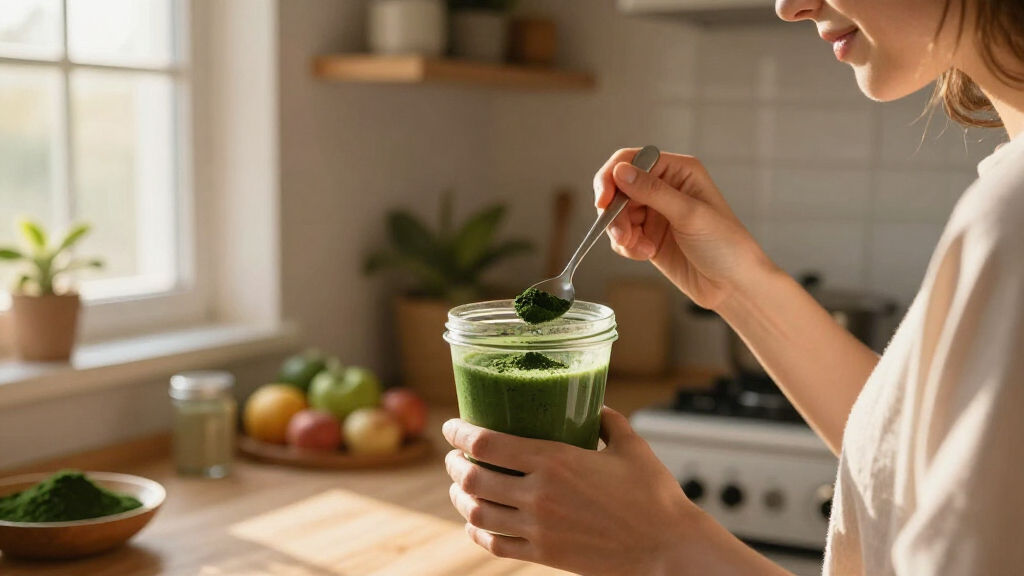
Researchers have introduced a new sustainable method for cultivating spirulina that enhances its vitamin B12 content, offering a promising alternative to traditional supplementation for addressing deficiency. This breakthrough could impact global nutritional strategies, especially in plant-based diets and regions with limited access to animal products.
The innovation involves a novel cultivation technique that increases the bioavailability of vitamin B12 in spirulina, a type of blue-green algae widely consumed as a dietary supplement. According to the research team, this method emphasizes eco-friendly practices, reducing reliance on resource-intensive processes typically used in algae farming.
While the exact process details remain proprietary or under peer review, initial laboratory results suggest that the B12 levels in spirulina produced through this method are significantly higher than in conventional cultivation methods. Experts note that spirulina naturally contains vitamin B12 analogs, but the bioactive form’s presence and stability are crucial for nutritional efficacy.
Health authorities and nutrition scientists are closely monitoring these developments, as plant-based sources of vitamin B12 are vital for vegans and others with limited animal product intake. The researchers emphasize that their approach aligns with sustainable agriculture goals, potentially reducing environmental impacts associated with supplement production.
Implications for Global Nutritional Strategies
This development could transform how populations deficient in vitamin B12 access this essential nutrient, especially in regions where supplement distribution is challenging or costly. A sustainable, plant-based B12 source aligns with broader efforts to promote environmentally friendly food systems and reduce reliance on animal-derived supplements.
Moreover, as interest in vegan and vegetarian diets grows worldwide, a reliable plant-based B12 source becomes increasingly critical. If validated, this spirulina method could reduce dependency on synthetic supplements, which often involve resource-heavy manufacturing processes.
However, experts caution that further research is necessary to confirm the bioavailability and long-term nutritional adequacy of the B12 in this spirulina, and whether it can meet daily dietary requirements across diverse populations.
As an affiliate, we earn on qualifying purchases.
Background on Spirulina and B12 Deficiency
Spirulina has long been recognized as a rich source of various nutrients, including proteins, vitamins, and minerals. Its potential as a plant-based source of vitamin B12 has attracted interest, especially among vegans and those seeking sustainable nutrition options. However, the B12 content in spirulina has been debated, with some studies indicating the presence of analogs that are not biologically active in humans.
Traditional cultivation methods for spirulina involve large-scale algae farms that can have significant environmental footprints, including high water and energy use. Recent trends show increased research into optimizing spirulina’s nutritional profile while minimizing ecological impacts, driven by the rising demand for sustainable superfoods.
Interest in B12 deficiency is also rising globally, as it is linked to neurological and hematological health issues. Conventional solutions rely heavily on animal products or synthetic supplements, which may be inaccessible or undesirable for some populations. This context has spurred research into alternative, eco-friendly sources of B12, with spirulina emerging as a promising candidate.
Unconfirmed Aspects of B12 Bioavailability
It remains unclear whether the vitamin B12 in this sustainably cultivated spirulina is in a form that is fully bioavailable and effective for human nutrition. Experts emphasize that laboratory B12 levels do not necessarily translate into nutritional sufficiency, and clinical trials are needed to verify health benefits.
Additionally, the long-term stability of B12 in this spirulina and its performance across diverse dietary contexts are still under investigation. The precise environmental benefits compared to traditional spirulina cultivation methods are also yet to be quantified in peer-reviewed studies.
Next Steps for Validation and Adoption
Researchers plan to conduct clinical trials to assess the bioavailability and safety of B12-rich spirulina produced via this new method. Simultaneously, peer-reviewed publications are expected to detail the cultivation process and its environmental impact.
Regulatory assessments and nutritional guidelines updates may follow if the trials confirm efficacy. Meanwhile, industry stakeholders are watching closely for potential commercial applications and scaling opportunities.
Public health agencies and nutrition organizations may also evaluate this development as part of broader strategies to combat B12 deficiency globally, especially in plant-based diets.
Key Questions
Can spirulina fully replace traditional B12 supplements?
It is too early to confirm. While the new cultivation method shows promise, further research is needed to establish whether B12 in this spirulina is bioavailable enough to replace supplements entirely.
How does this sustainable spirulina differ from conventional cultivation?
The new method emphasizes eco-friendly practices aimed at increasing B12 content, potentially reducing water and energy use, though detailed comparisons are still under review.
When might this B12-enriched spirulina become widely available?
Pending successful clinical validation and regulatory approval, commercialization could take several years. Researchers are currently in early testing phases.
Is this development relevant for vegans and vegetarians?
Yes, if proven effective, it could offer a sustainable, plant-based B12 source, beneficial for those avoiding animal products.
Are there any risks associated with consuming this spirulina?
Risks are not yet fully known. Clinical trials will evaluate safety and efficacy before any health claims can be confidently made.
Source: rss