How DeafBlind Students Can Build Better Access at School
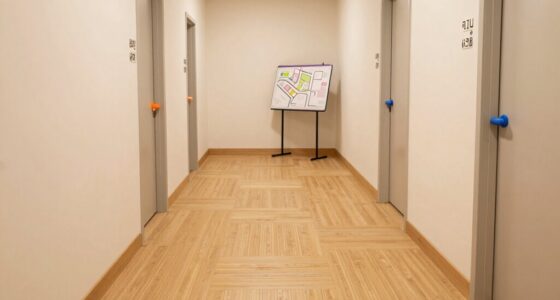
Opportunity lies in customizing sensory and communication strategies, but discovering the right approach can transform school access for DeafBlind students.
Why Tactile Communication Takes Practice From Everyone
Why tactile communication takes practice from everyone is rooted in mastering subtle cues and respecting boundaries to build genuine, confident connections.
What Family Members Should Know About DeafBlind Communication Pace
Better understanding the importance of communication pace helps family members build trust; discover how patience and consistency make a meaningful difference.
How to Make Homes Safer and More Navigable for DeafBlind Users
How to make homes safer and more navigable for DeafBlind users by incorporating tactile cues, technology, and thoughtful organization—discover essential tips for greater independence.
How DeafBlind People Use Touch to Access Information
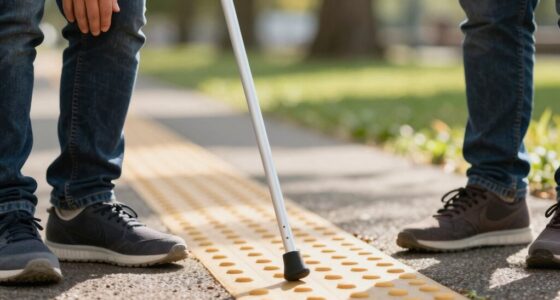
I explore how DeafBlind individuals rely on touch to access information, revealing remarkable methods that transform perception and understanding of the world around them.
How DeafBlind Communication Adapts by Setting and Situation
Being flexible in communication methods based on setting and situation is essential for effective deafblind interactions, and understanding these adaptations can transform connections.
How Tactile Labeling Supports DeafBlind Organization at Home
How tactile labeling supports DeafBlind organization at home by enhancing independence and safety, ultimately transforming daily living in ways you need to see to believe.